Water · Entry 03
Yakhchāl
A domed mud-brick structure that stored ice through summer — and often made it in the first place, on clear desert nights, without any fuel at all.
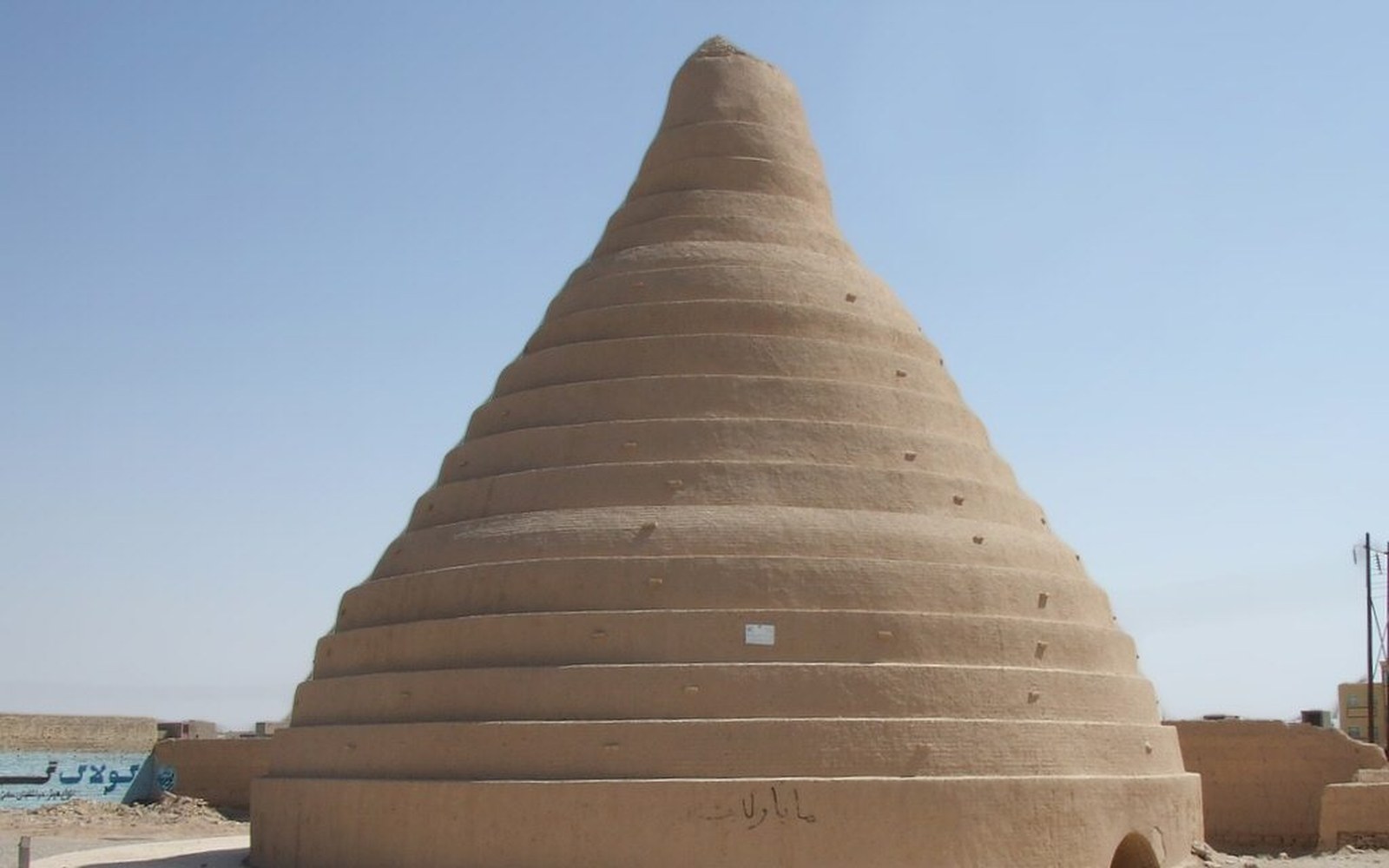
The cold that desert air will give you
The yakhchāl (from yakh, ice, and chāl, pit) looks at first like a straightforward storage problem: keep ice cut from mountain streams cold enough to survive an Iranian summer. But the more interesting structure is the one that often stood beside it — a long, shallow pool shaded on its north side by a tall, thick mud-brick wall, angled to block the desert sun through the winter months. On clear, dry nights, that unshaded water radiated its heat upward into the sky faster than the still desert air could replace it. By dawn, a usable skin of ice had formed. The wall did not cool the water; it simply kept the sun off long enough each morning for the ice to survive until it could be cut and moved underground.
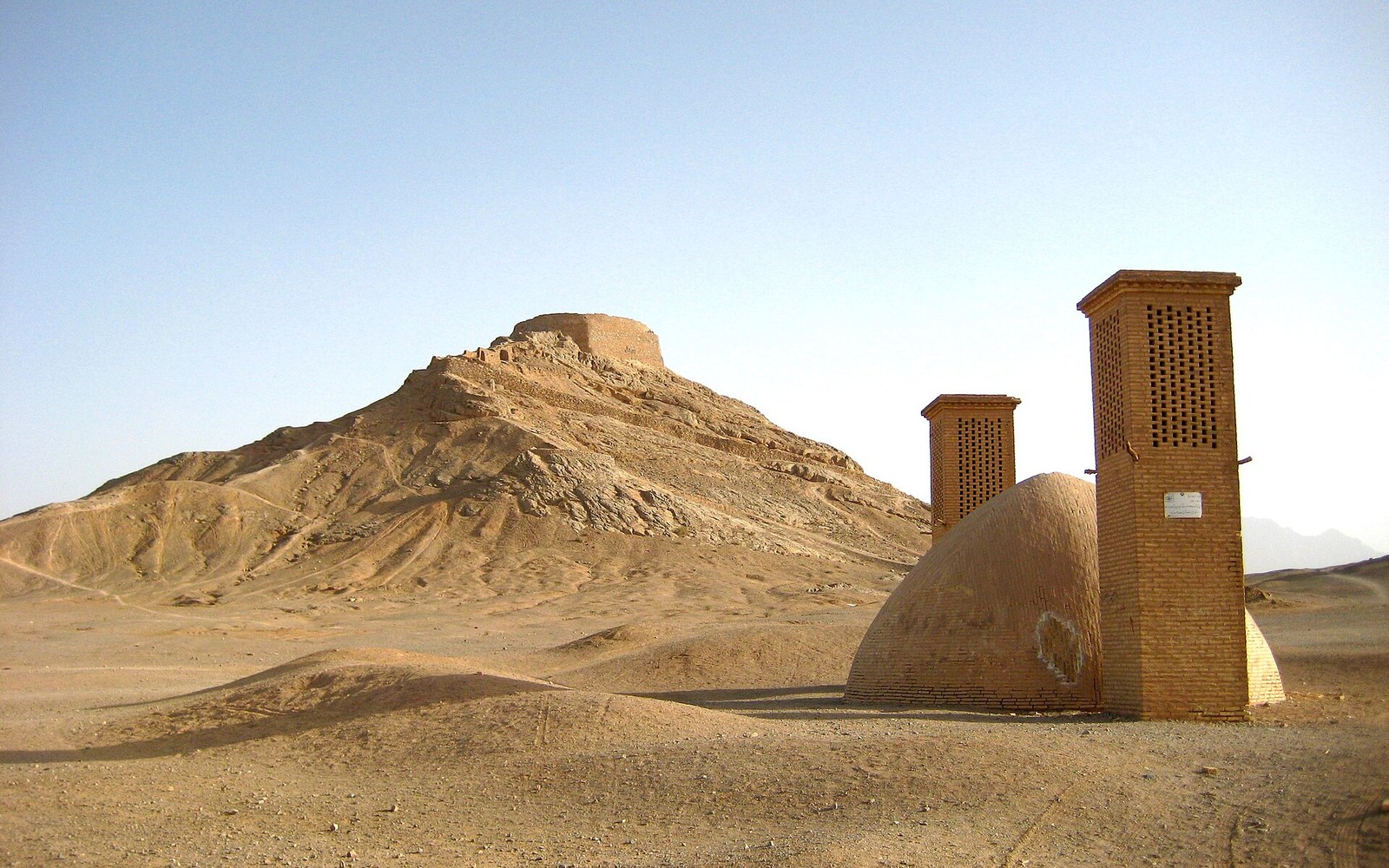
This radiative cooling works wherever the sky is dry and clear enough to act as a cold sink — conditions the central Iranian plateau meets reliably through winter. The same physics operates in a shallow clay dish left in a field, but the shading wall turns a trickle of ice into a harvestable crop. The largest of these walls, in the region around Yazd and Kerman, ran to several hundred metres and stood high enough to cast shadow across the pool for the critical hours around sunrise.
The pit and the dome
The ice went underground into a pit — typically several metres deep — and the pit was covered by the dome that gives the yakhchāl its silhouette. The dome is not incidental. Built in mud brick or sometimes fired brick, it is thick-walled at the base and tapers sharply toward the apex, following the same logic as the adobe construction that characterises the whole building tradition of the plateau: thermal mass concentrated where the sun loads hardest, which is at the shoulders and lower walls, thinning where only the apex catches direct radiation. The interior of the dome stays measurably cooler than the air outside because the mass of earth and brick buffers the daily temperature swing, and the shape encourages any warm air that does enter to rise and stratify, keeping the lowest layer — where the ice sits — coldest.
The ice went underground into a pit — typically several metres deep — and the pit was covered by the dome that gives the yakhchāl its silhouette.
Drainage mattered as much as insulation. The pit was drained to a sump or a small channel, so meltwater ran away rather than pooling around the ice and accelerating its loss. Insulating layers of straw and sometimes sawdust were packed between ice blocks. The entrance was typically north-facing and low, minimising warm-air incursion. Every detail reduces the same enemy: heat gain from every possible direction.
Access to yakhchāl ice was not uniform. The structures were expensive to build and were typically commissioned by wealthy households, institutions or the administrators of a city. Ice was sold through the bazaar in summer — a luxury trade in the hottest months, used to cool sherbets and to pack around perishables. The ab anbar, the domed cistern that stored drinking water underground on related thermal principles, served a broader public; the yakhchāl's product was narrower and more valued.
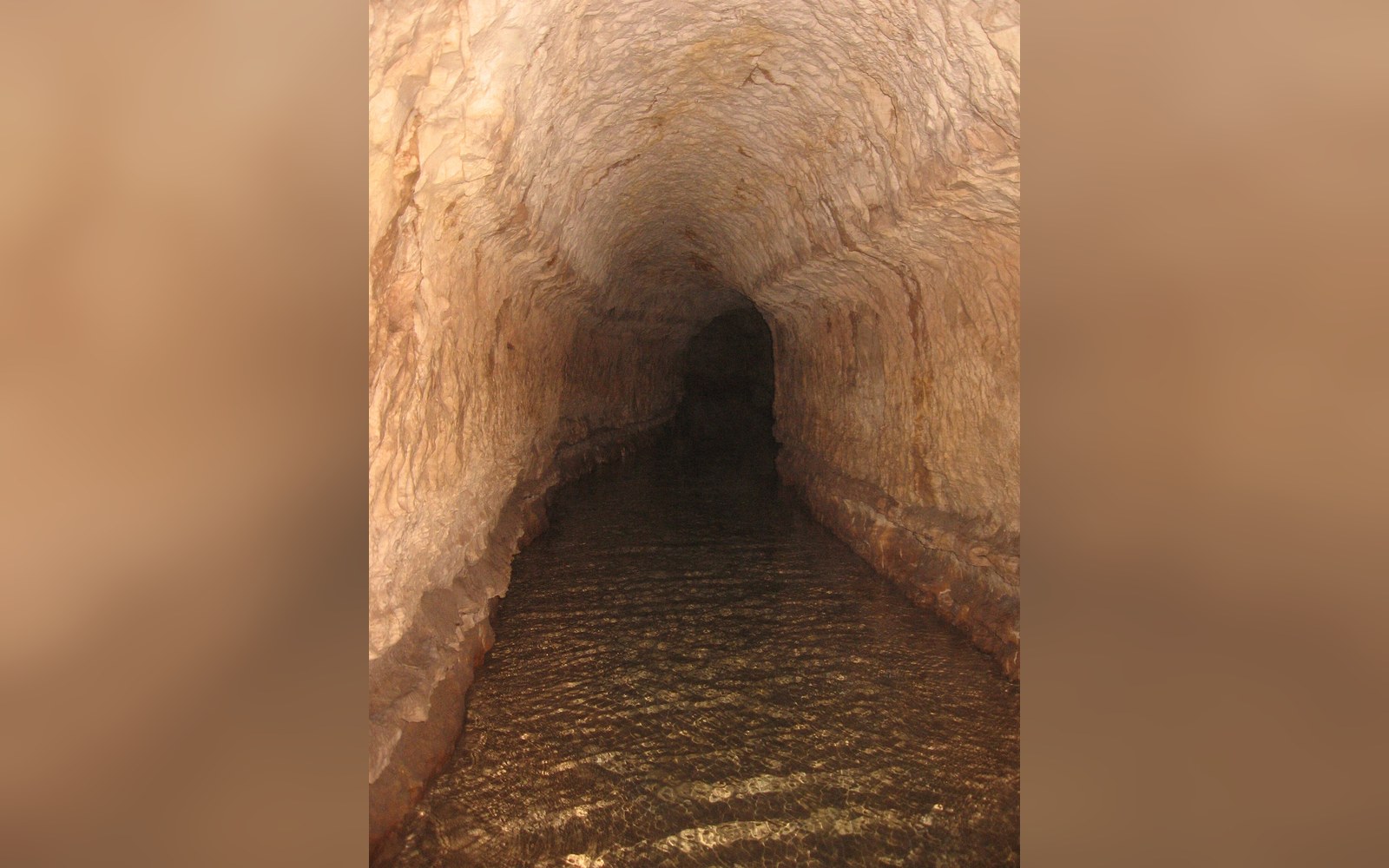
Several dozen yakhchāl survive in recognisable form across the central plateau, the best-preserved examples standing near Meybod in Yazd province and outside Kerman. What they demonstrate — clearly, once you understand the radiative pool — is that pre-industrial refrigeration was not a crude business of hoping winter lasted long enough. It was an engineered sequence: shade the water, harvest the ice at dawn, move it below grade, seal it under mass. The dome is the last step in a chain that begins with the geometry of a wall and the dryness of a desert sky.