Carpet · Entry 06
Dyestuff
The colour in a carpet pile is chemistry first. Where the dye came from determines not just the hue but how the fibre holds it, and what time does to it.
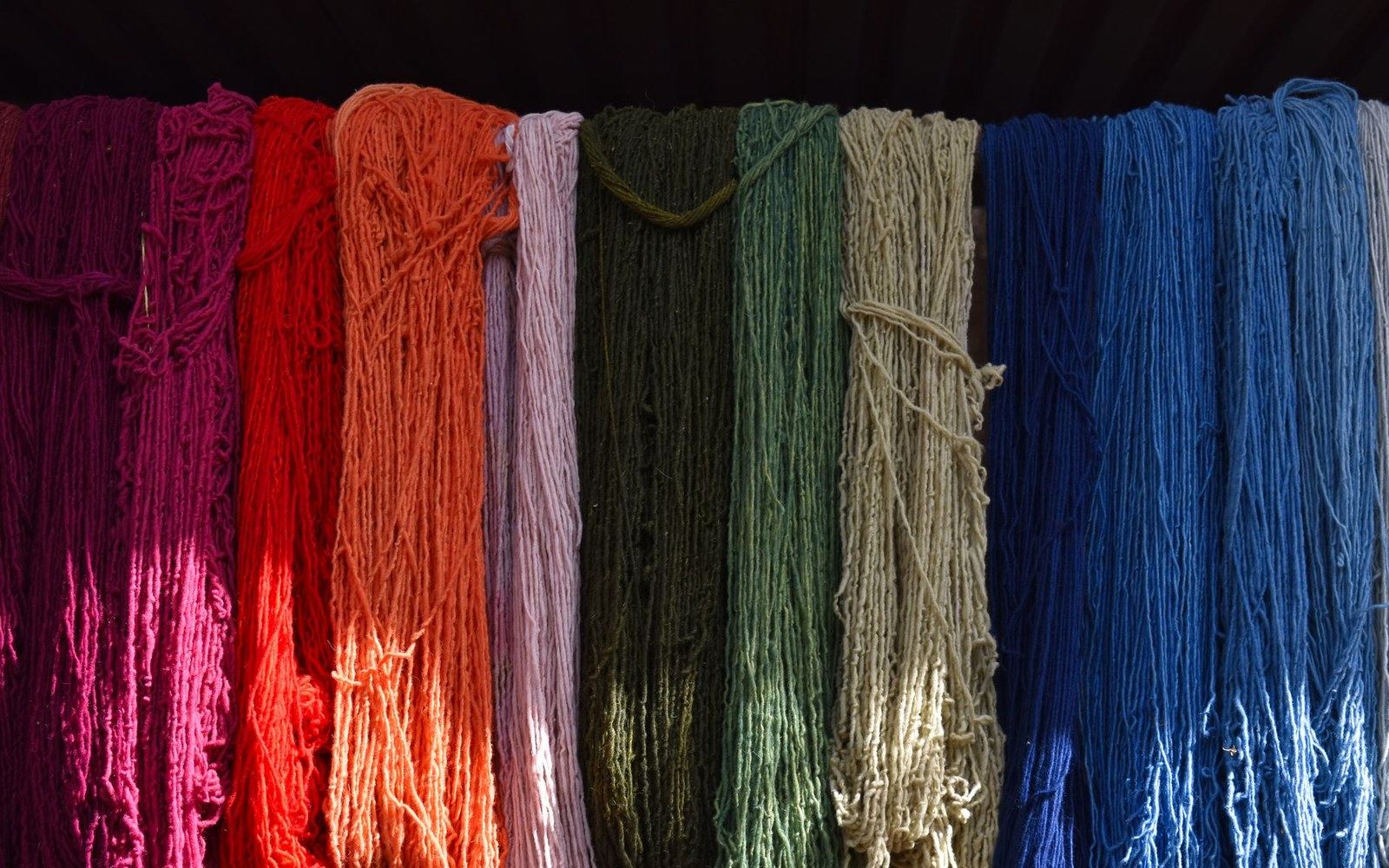
Root, leaf and insect
Three sources carried almost every colour in a classical Iranian carpet: madder root for the reds and oranges, indigo for blue, and the insect reds — lac from Kerria lacca and, later, cochineal from Dactylopius coccus — for the deepest crimsons. Weld and pomegranate rind gave yellows. Oak gall, walnut hull and iron-rich water gave browns and blacks. A weaver working in Kashan in the sixteenth century had perhaps a dozen reliable primaries; every other colour was a blend or an overdye.
Indigo — from Indigofera tinctoria, imported from the subcontinent into the workshops of Tabriz, Kashan and Isfahan — works by a different mechanism entirely.
Madder (Rubia tinctorum) grew widely in Iran, with notable cultivation around Yazd and Isfahan. The dyeing principle sits in the root, principally in compounds called alizarin and purpurin, and it requires a mordant — a metallic salt that bites into the fibre and locks the dye molecule in place. Alum gives a warm, clear red. Iron shifts it toward a cooler, slightly greyed tone. Chrome, introduced later, deepens it to burgundy. The mordant is not a preparatory wash that gets rinsed away; it becomes part of the structure of the dyed fibre, which is why a madder red dyed with alum and a madder red dyed with iron are genuinely different substances sitting in the pile, not the same thing in different shades.
Indigo — from Indigofera tinctoria, imported from the subcontinent into the workshops of Tabriz, Kashan and Isfahan — works by a different mechanism entirely. It is insoluble in water in its oxidised state and must be chemically reduced to a soluble form before it can enter the fibre, then re-oxidised inside the wool to fix. The blue appears only as the yarn is pulled from the bath and meets air. Indigo does not bond to fibre through a mordant but through physical entrapment of the dye molecules inside the wool's cortex. This matters for durability: an indigo blue abraded at the surface reveals paler fibre beneath, producing the characteristic corrosion of dark blue pile in older carpets — the navy ground of a Safavid vase carpet will often sit lower than its red neighbour, worn faster because the repeated reduction baths that built up depth also stressed the wool.
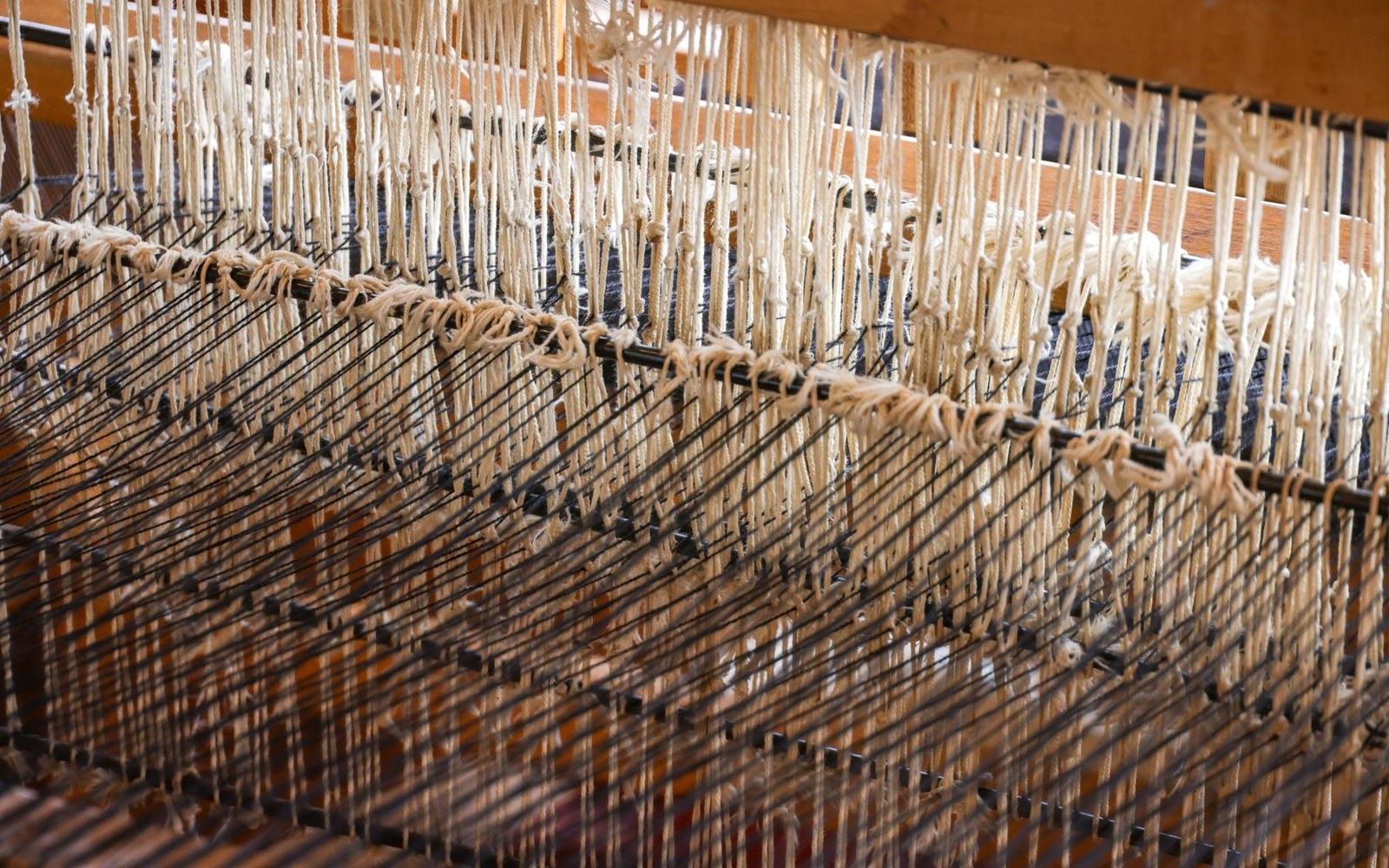
The insect reds were precious. Lac, extracted from resinous scale insects on host trees in South and Southeast Asia, gave a cooler, more violet red than madder. Cochineal — from an insect native to Mexico, carried into European and then Near Eastern trade after the sixteenth century — was even more potent by weight and produced a brilliant, warm scarlet with alum mordanting. Both are substantive dyes, meaning they fix more readily than madder and yield intense colour at lower concentrations. On a good wool, properly mordanted and dyed in clean water, an insect red resists light fade better than most plant sources.
What time does
A natural dye does not simply fade. It oxidises, shifts in value and sometimes changes hue as the specific molecules that carry its colour break down at different rates. A madder red will typically mellow over decades toward a softer, browner tone — not worse, by most assessments, but different. Indigo, well-fixed, can be extraordinarily stable; the brilliant blues in sixteenth-century pieces still in museum collections demonstrate that light-fastness is achievable with natural sources, though a thinly dyed yarn in strong light will not match it.
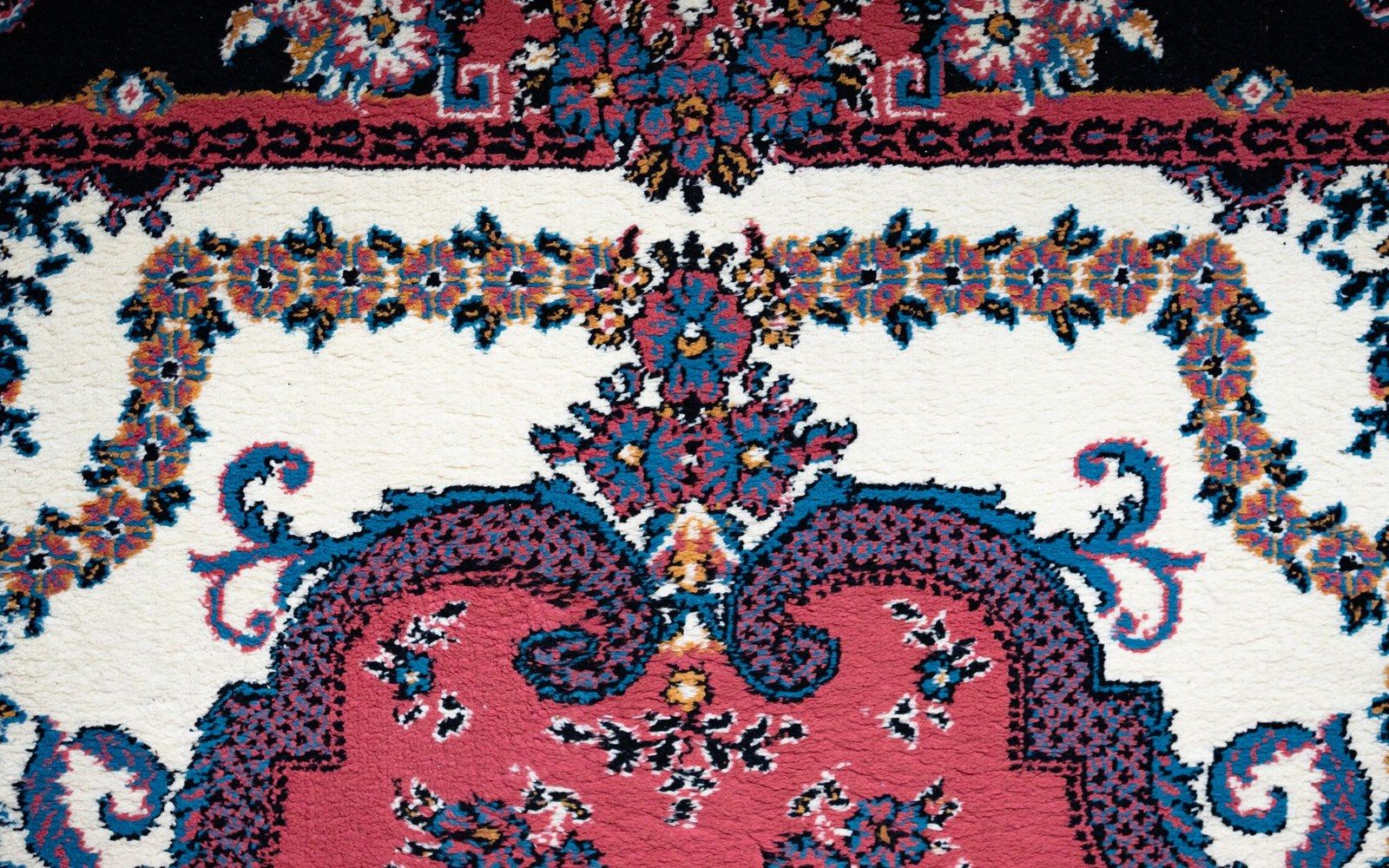
Synthetic aniline dyes arrived in Iranian workshops during the last quarter of the nineteenth century. Alizarin red — the synthetic equivalent of the madder compound — actually performs well and is still used. The problem was the early anilines: fuchsine, methyl violet, basic blues, which were brilliant, cheap, and photochemically fragile. A carpet dyed with fuchsine in the 1880s or 1890s can lose its red to a washed-out grey within years of strong exposure. The shift in a pile is legible: where a natural dye weathers toward something quieter, many early synthetics collapse toward a different hue altogether.
This is why dye source is an analytical question as much as an aesthetic one. The knot density and wool quality determine what a carpet can express; the dyestuff determines whether that expression survives.