Bazaar · Entry 10
Timcheh
A domed hall set off the trade street, lit from a single oculus, built so that valuable goods and a single door occupied the same address.
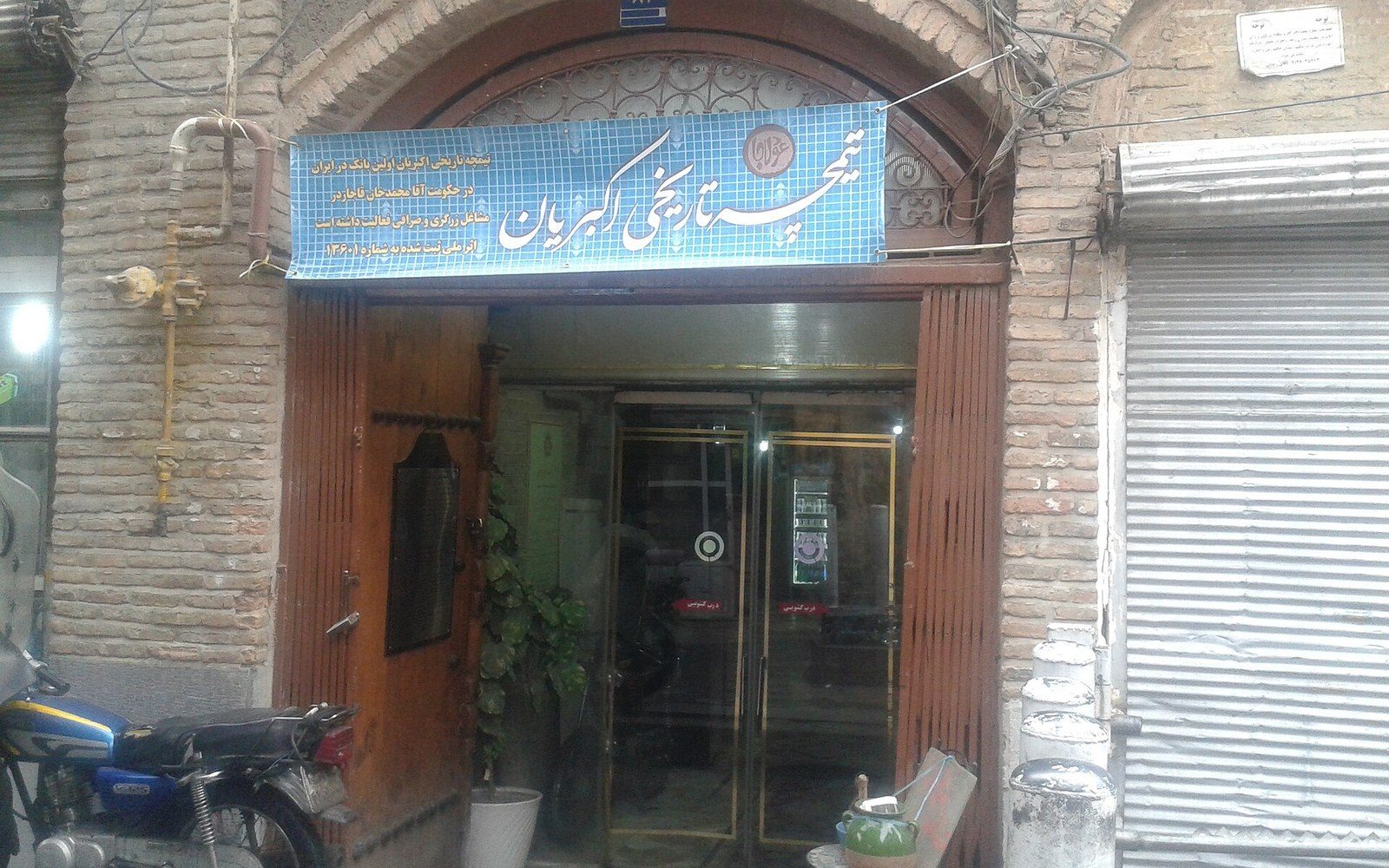
The room that controlled its own entrance
The bazaar's main artery — the rasteh, a covered run given over to a single trade — kept moving. Merchants called out, porters pushed through, light fell in strips from vaulted openings above. A timcheh was something different: a pause. It stood off the main corridor behind a gatehouse and a vestibule, its business conducted in a room that could be locked at close of trade and watched at all hours by whoever sat at the entrance.
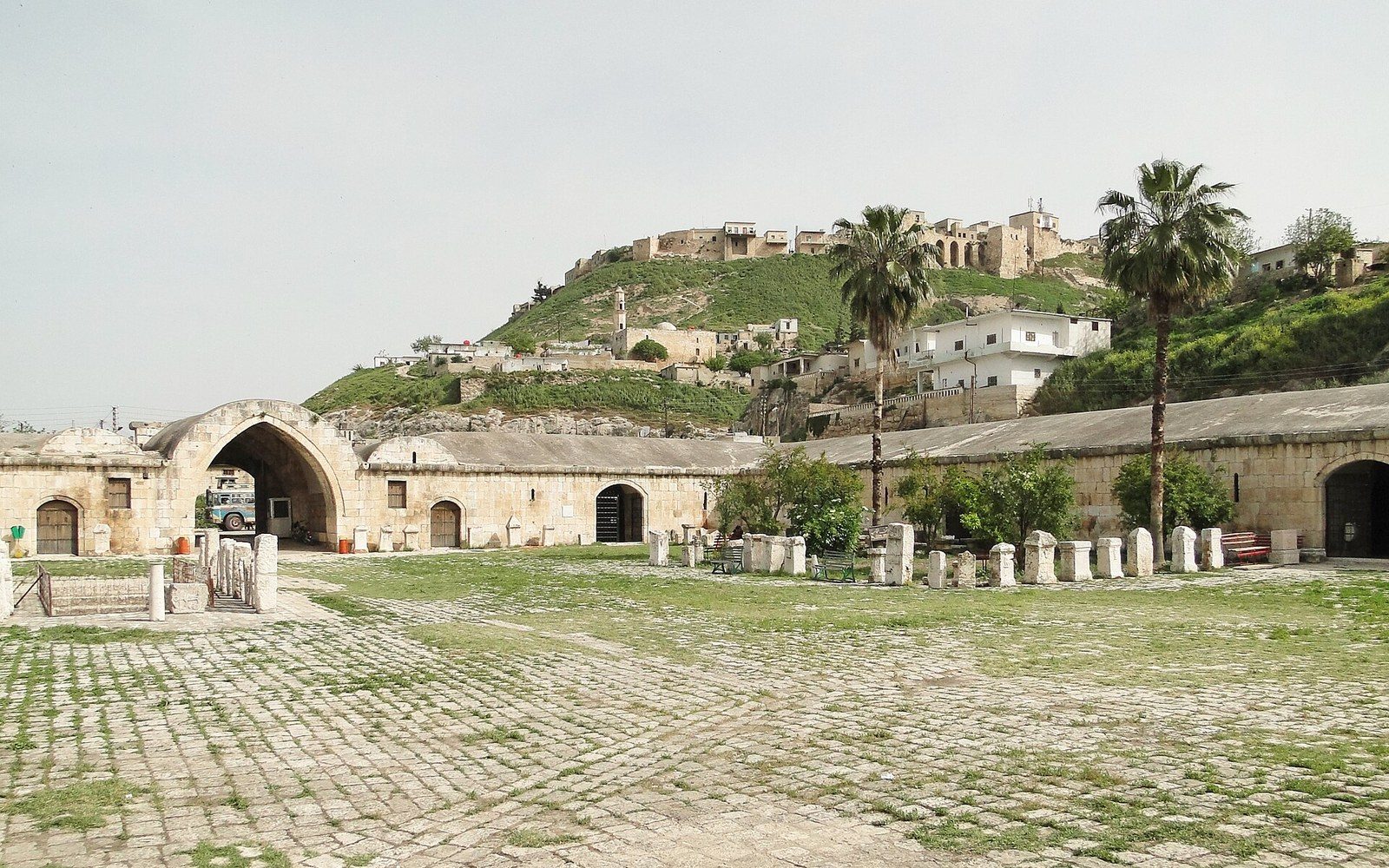
That central oculus — a circular opening at the crown of the dome — did several things at once.
The form follows the logic of custody. High-value goods — carpets, silk cloth, gemstones, fine metalwork — need not a stall but a room, and a room needs a threshold. The timcheh gave merchants both. Once past the entrance passage, buyers entered a domed hall rising to a central oculus, its perimeter lined with two-storey arcades: ground-floor shops opening off the hall, upper-floor chambers reached by a stair for storage or private negotiation. The whole ensemble was inward-looking by design. Windows facing the street were few or absent. All the light and all the movement came from within.
That central oculus — a circular opening at the crown of the dome — did several things at once. It drew daylight down to the floor of the hall, where cloth could be assessed and colour judged without the distortion of direct sun. It vented the accumulated warmth of bodies and lamps. And it gave the space a vertical axis that the arcade amplified, drawing the eye up and conferring on the whole hall a dignity that a street stall could not approach. The geometry was not ornamental ambition for its own sake; it answered the requirements of the trade conducted beneath it.
The Timcheh-ye Amin od-Dowleh in Kashan, built in the second half of the nineteenth century, is among the best-preserved examples: its muqarnas squinches carry a faceted dome to a twelve-sided lantern drum, and the plasterwork in the transition zone is as precise as any in the city. But the type appears across the Iranian plateau — in the bazaars of Isfahan, Tabriz and Tehran — wherever the value density of a trade justified a separate, controlled hall. The scale varies; the principle holds.
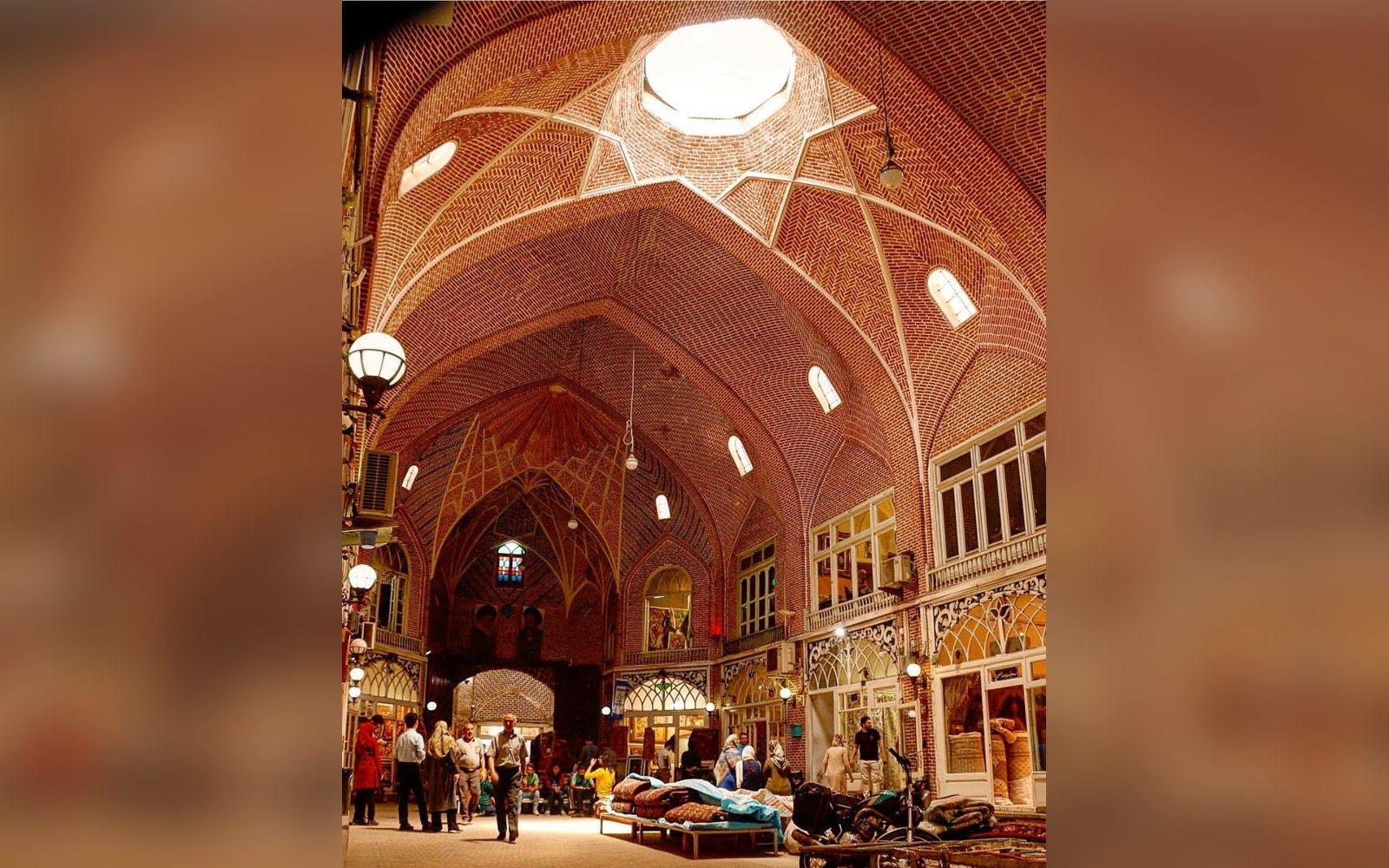
What makes the timcheh legible as a building type is the relationship between entry control and lighting strategy. The single entrance concentrated supervision. The oculus concentrated light. Together they made the interior simultaneously secure and habitable — an arrangement reached not by architectural theory but by the accumulated decisions of merchants who needed exactly this.