Water · Entry 04
Water shares
A qanat's flow was divided by time, not volume, and the schedule was law — which is why the ledger mattered as much as the tunnel.
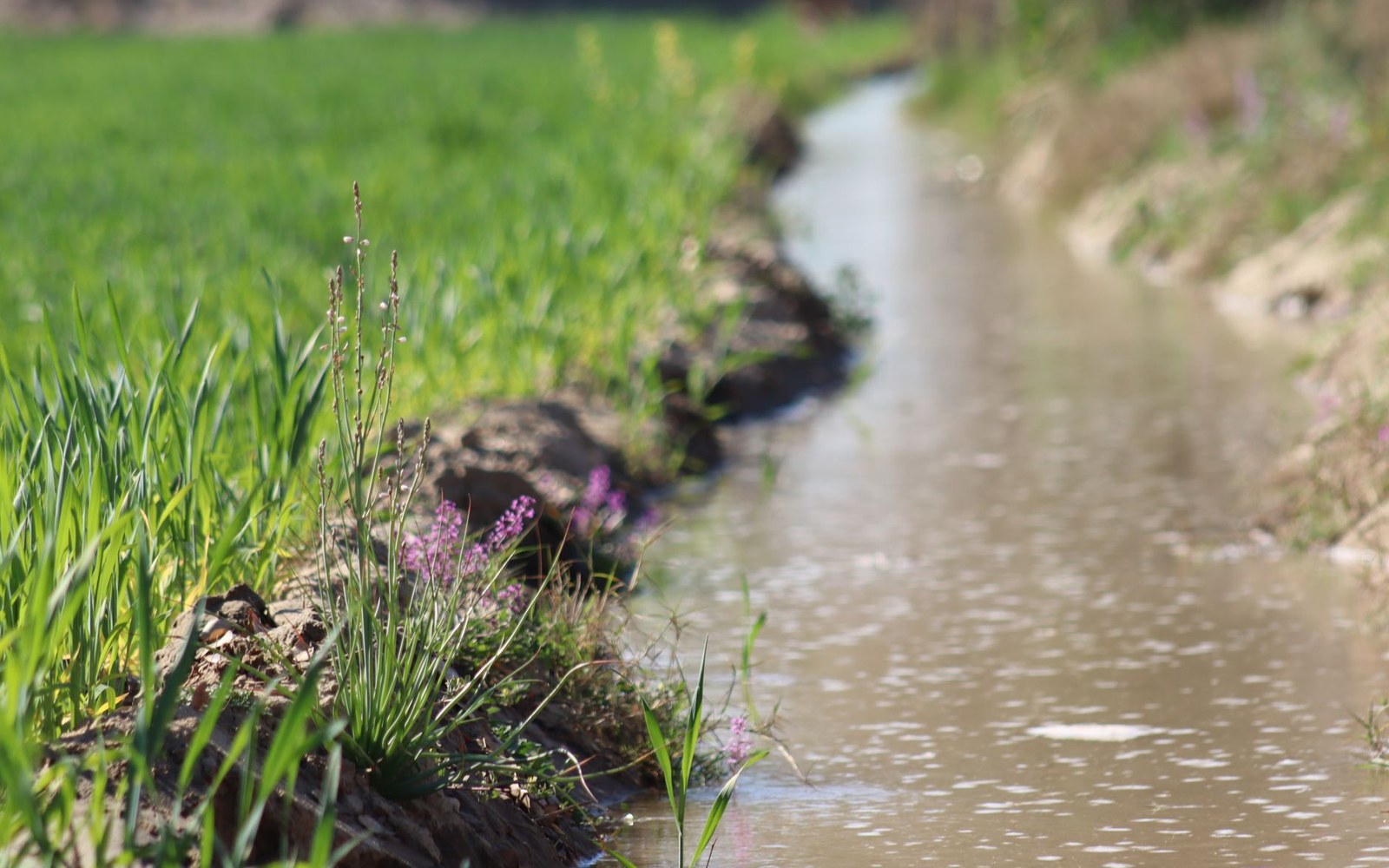
The ledger behind the tunnel
A qanat delivers water continuously — a fixed flow from a fixed head, day and night, whether the fields need it or not. That constancy made volume-based division impractical: you cannot open a tap on a tunnel. So the system divided time instead of water.
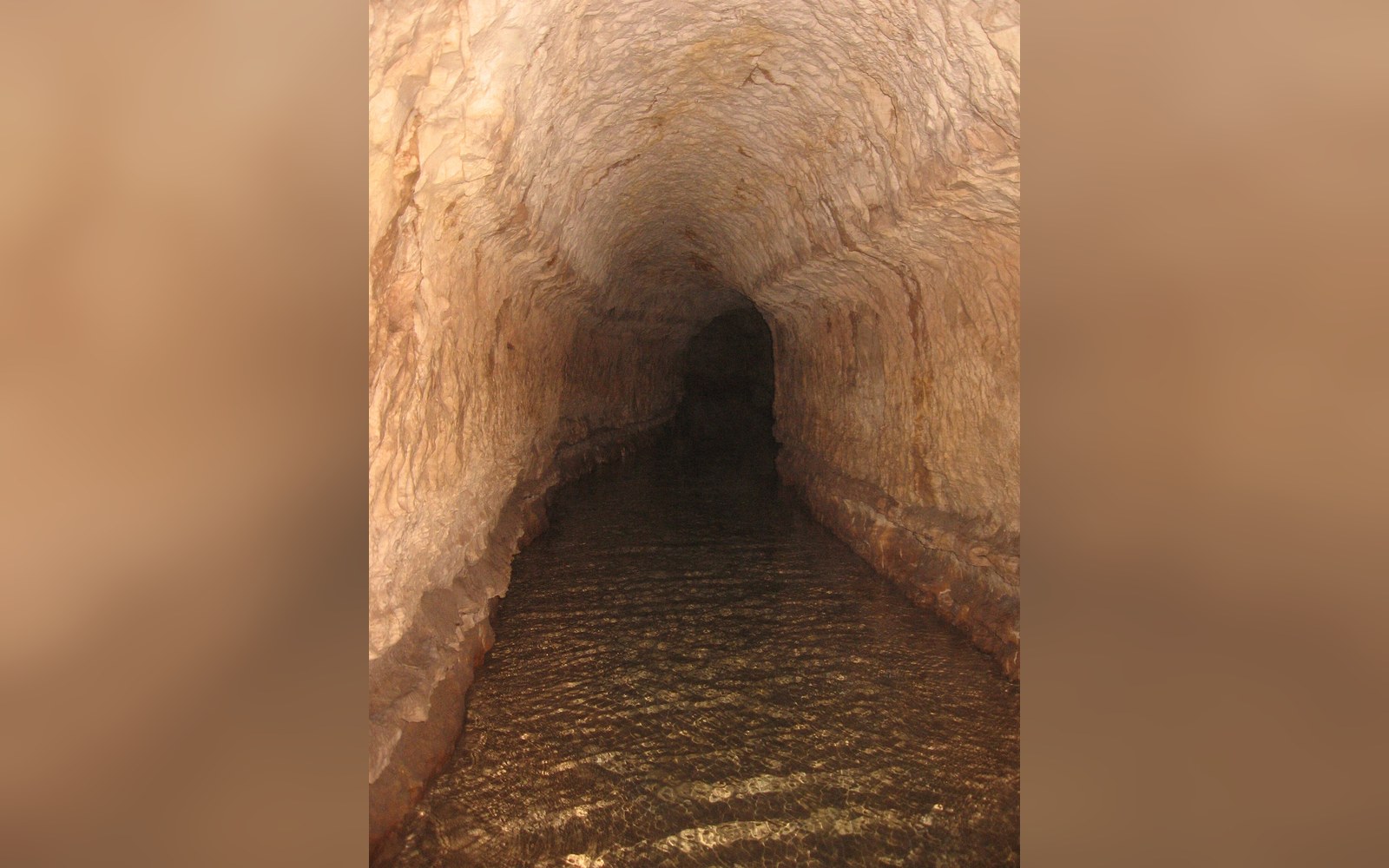
The unit was the fanjān (also spelled fenjān) — literally a small cup, specifically a copper bowl with a pinhole in its base, set floating in a basin. When it sank, a share had elapsed. A typical fanjān ran somewhere between ten and thirty minutes depending on the vessel, and local practice fixed its duration the way a community fixed its weights: by long agreement and witnessed use. One community's fanjān was not another's.
The shares themselves — called sahm, plural asham — were portions of a full rotation cycle, often a week. A shareholder received not a volume of water but a window of time in which the entire qanat's flow was theirs to direct: into a field channel, a storage pool, a household cistern. The schedule cycled continuously, so every shareholder knew exactly when their turn fell, how long it lasted, and what came before and after. If the qanat ran weak in a dry year, every sahm shrank equally. If it ran strong, every sahm expanded. No one could capture more than their cycle allowed.
The record of all this — who held how many shares, when they ran, how they had been inherited, divided or sold — was kept in a written ledger maintained by the mīrāb, the water master. The mīrāb's authority was practical, not administrative: he read the fanjān, announced the rotation and settled disputes on the spot. His ledger was a legal document as much as a schedule, and in long-settled communities it ran back generations, tracing subdivisions as family land was partitioned.
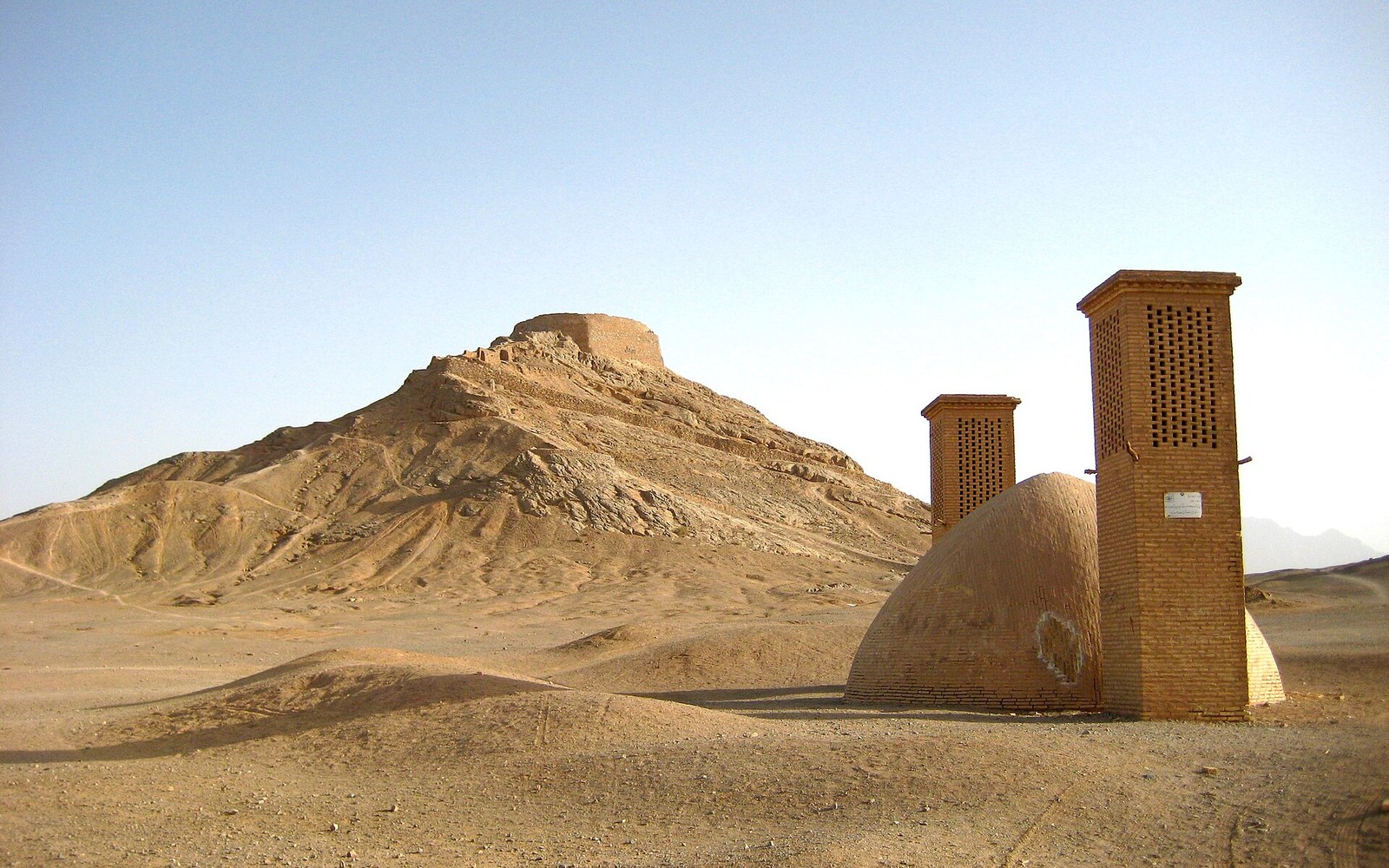
Shares could be sold independently of the land they served. A field might change hands without its water, and water could be purchased without land. The tunnel belonged to its investors; the time flowing through it belonged to whoever held the shares.