Garden · Entry 19
Planting
Shade tree, then fruit tree, then flower — an order written by the climate, not the gardener's preference.
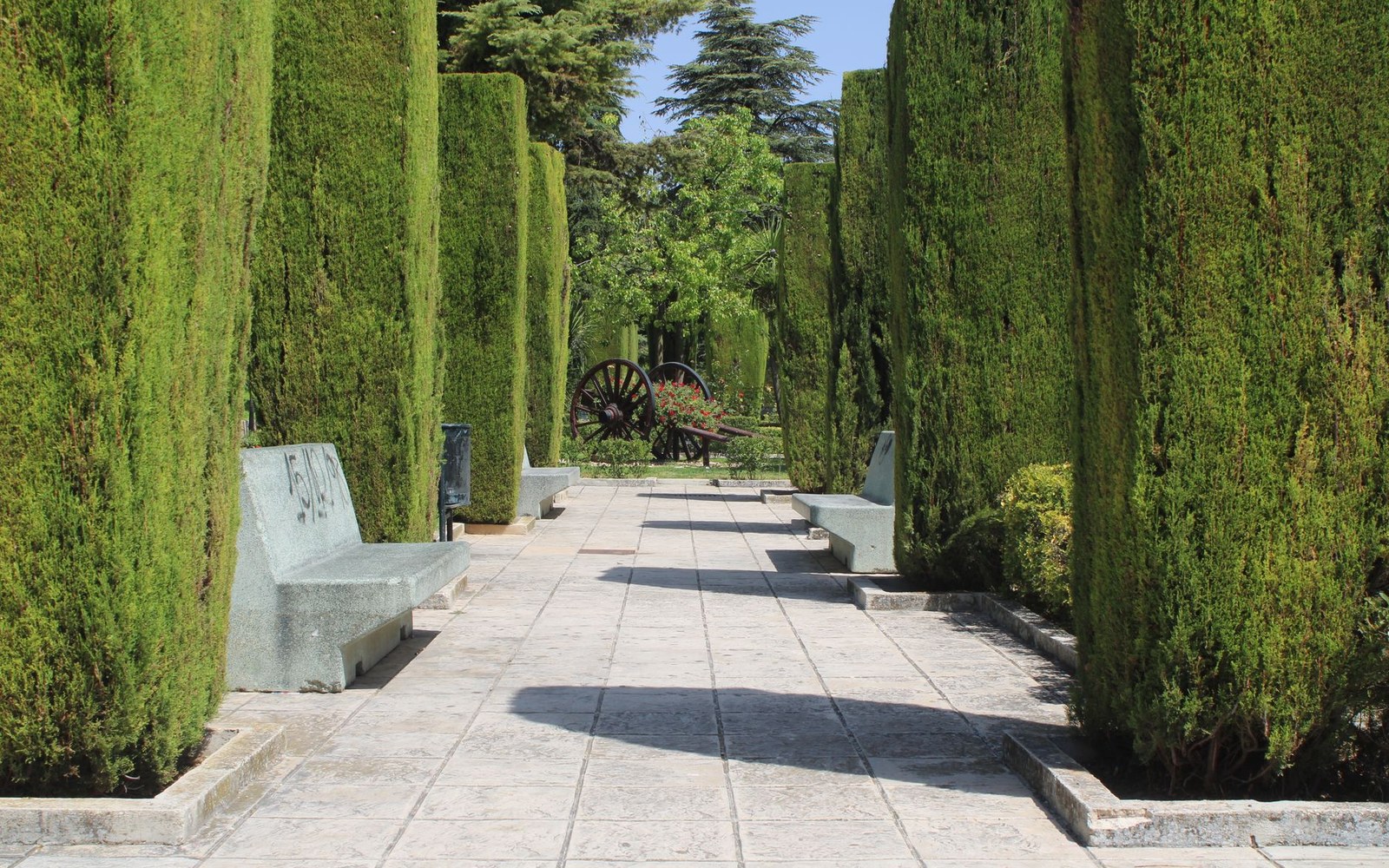
The hierarchy of the planted garden
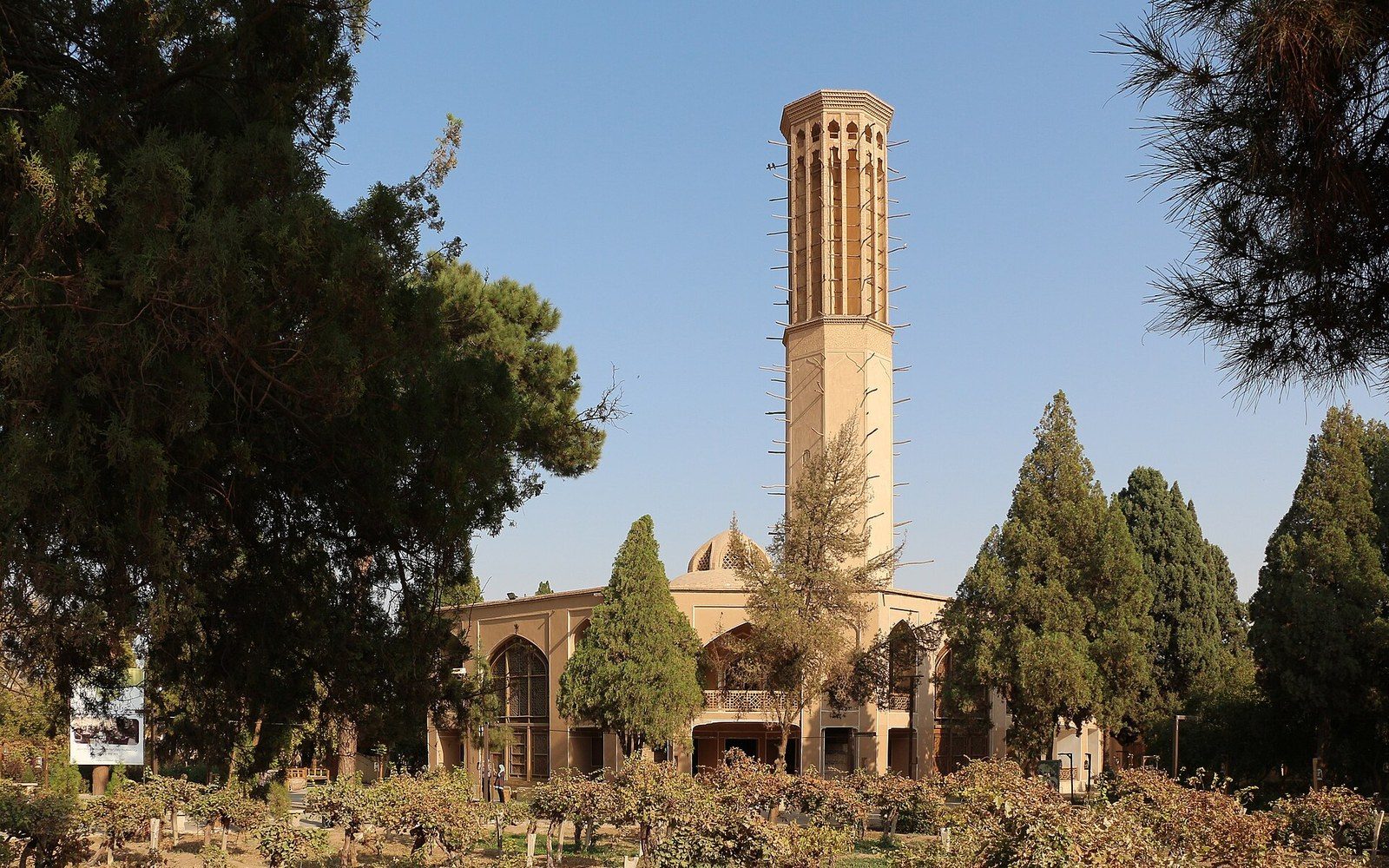
The walled Iranian garden does not begin with beauty. It begins with shade, because without shade the soil beneath dries faster than it can be irrigated, the air stays brutal through the afternoon, and every other planting fails. The tall trees go in first — plane (chenar) along the main axis, or cypress standing vertical and narrow against the sky — and they are placed before anything else is decided. They fix the structure of the space the way walls fix a room, and they do so climatically: the canopy drops the air temperature underneath by several degrees, and the shaded soil holds moisture long enough for the irrigation channels to do their work between cycles.
Flowers and low planting come last, occupying the beds nearest the water and the channels, where moisture actually persists.
Fruit trees come second, and the ordering is not arbitrary sentiment. In a climate where summer is long and dry and water is rationed by a schedule that belongs to the qanat system feeding the garden, a fruit tree earns its place by yielding something. Pomegranate, quince, apricot, mulberry — each was selected over centuries not for ornament but for tolerance: tolerance of heat, of thin soil, of the specific timing of the local water share. They are also the medium canopy, filling the zone between the high shade trees and the ground, so the layering continues to be functional. A pomegranate in the right position shades the channel running beside it; the channel cools the root zone in return.
Flowers and low planting come last, occupying the beds nearest the water and the channels, where moisture actually persists. Rose is the dominant flowering plant historically — not bred for fragrance as a luxury, but because the strongly scented varieties repel certain insects and tolerate heat better than alternatives. Narcissus and iris appear in early spring when the water stress has not yet peaked. The planting calendar follows the stress calendar: the bloom sequence is arranged so that what is most water-hungry flowers earliest, before the driest months, and retreats to dormancy when irrigation margins are tightest.
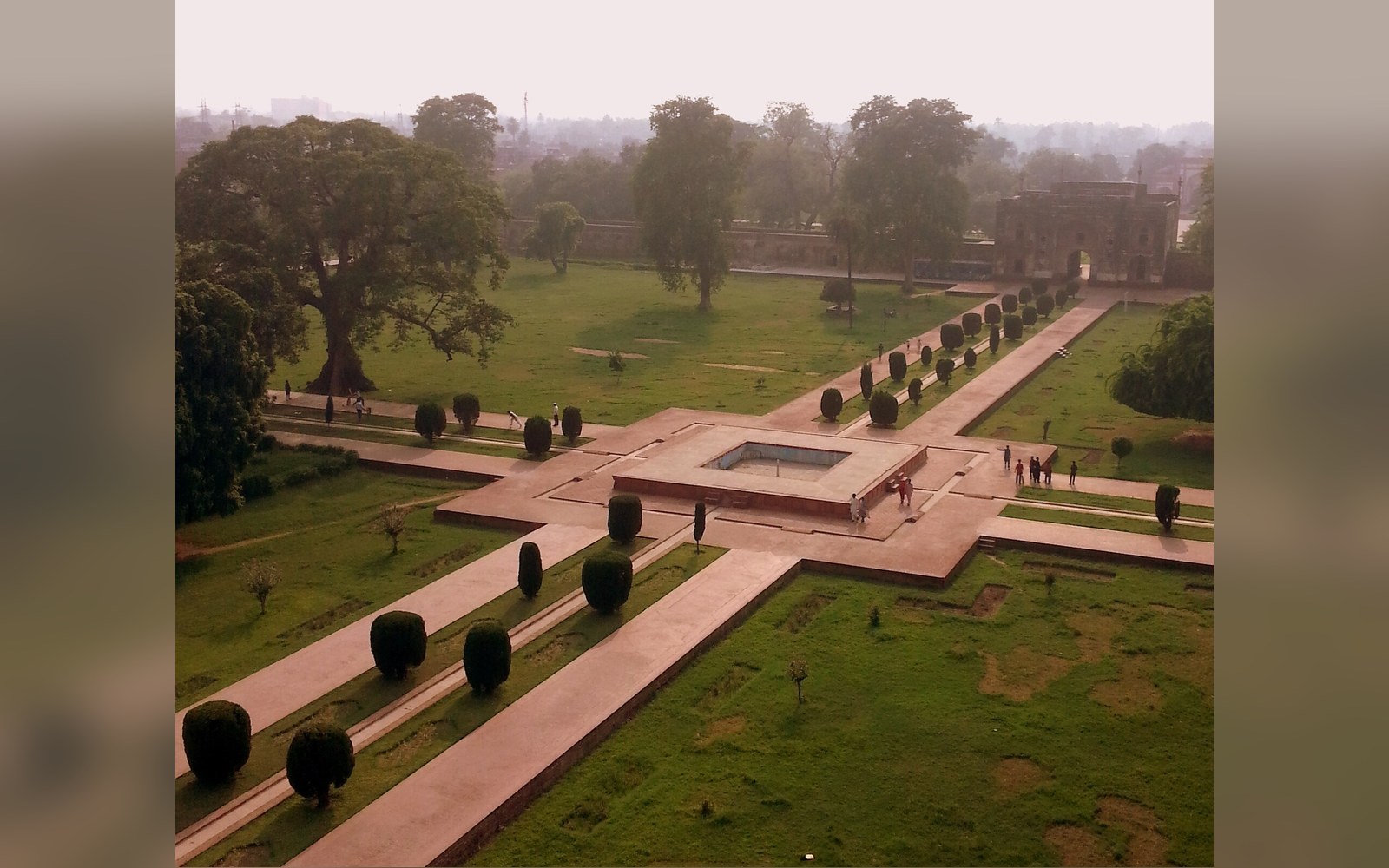
The result is a garden that reads as an aesthetic composition — shade pooling under tall planes, the middle layer of fruiting trees, the bright line of roses along the edge of the channel — but every decision in that composition was made by asking what the available water and the available shade could actually support. The beauty is the residue of a long argument with the climate, not an idea imposed upon it.