Carpet
The knot
Symmetrical against asymmetrical knotting, what each does to the pile, and why knot density is a poorer measure of quality than people assume.
A tunnel, a knot, a vault, a tiled field, a walled plan — and the water that runs under all of them.
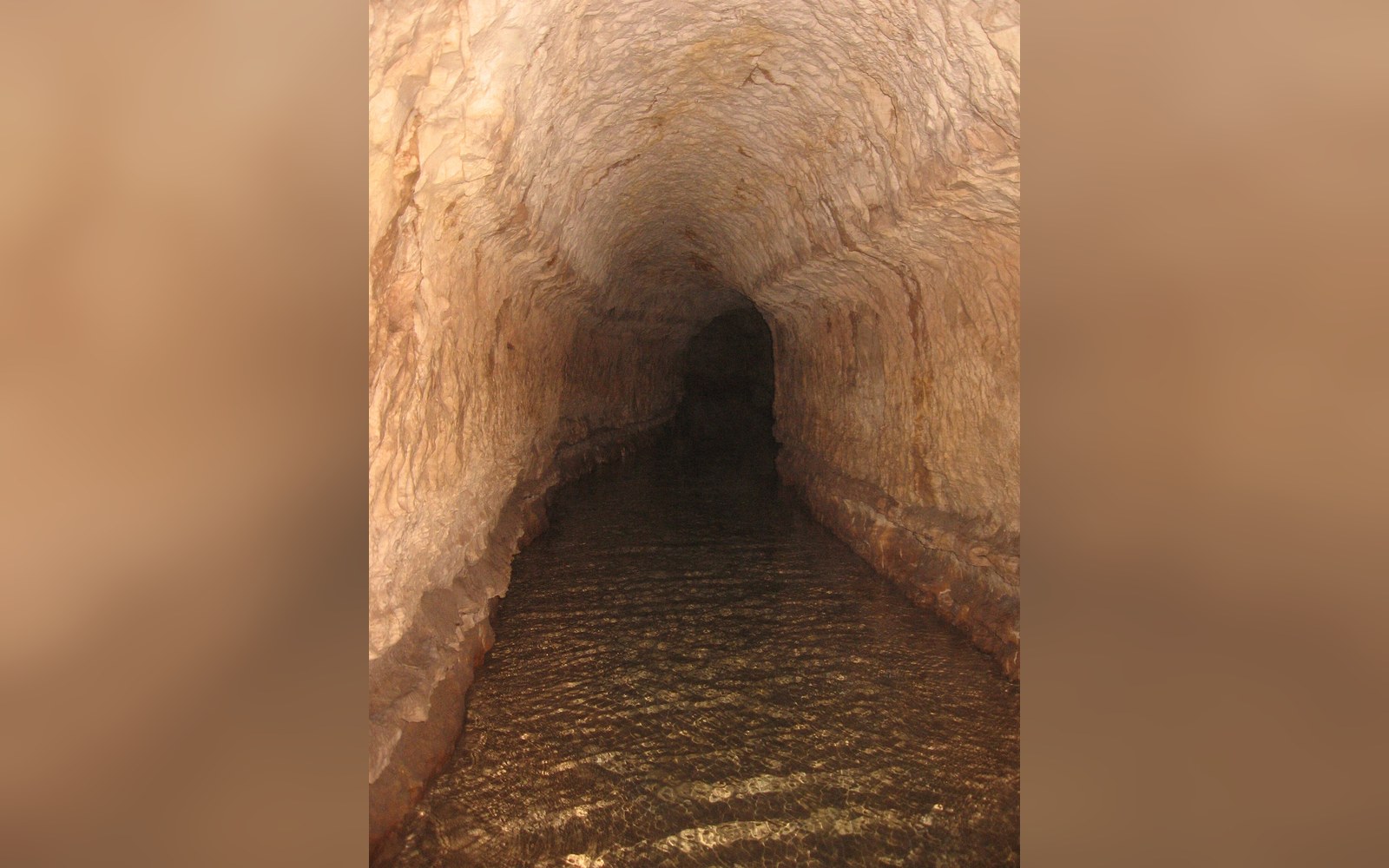
Water · Entry 01
A tunnel driven uphill from the far end, dug in the dark from a line of vertical shafts, moving water tens of kilometres without a pump and losing almost none of it.
Three rooms, one climate problem
Shade, mass and moving air — at the loom, under the vault and on the tile face.
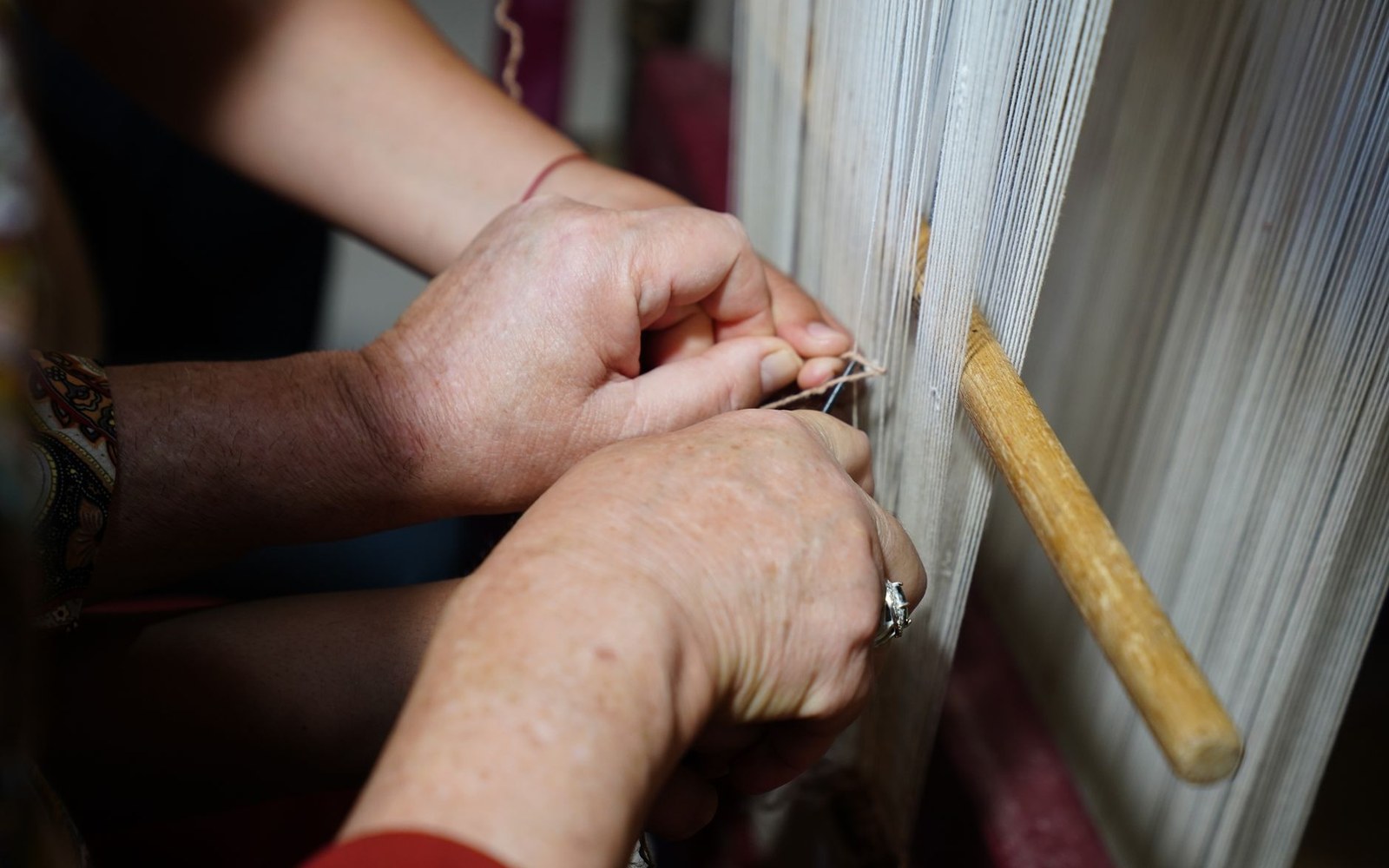
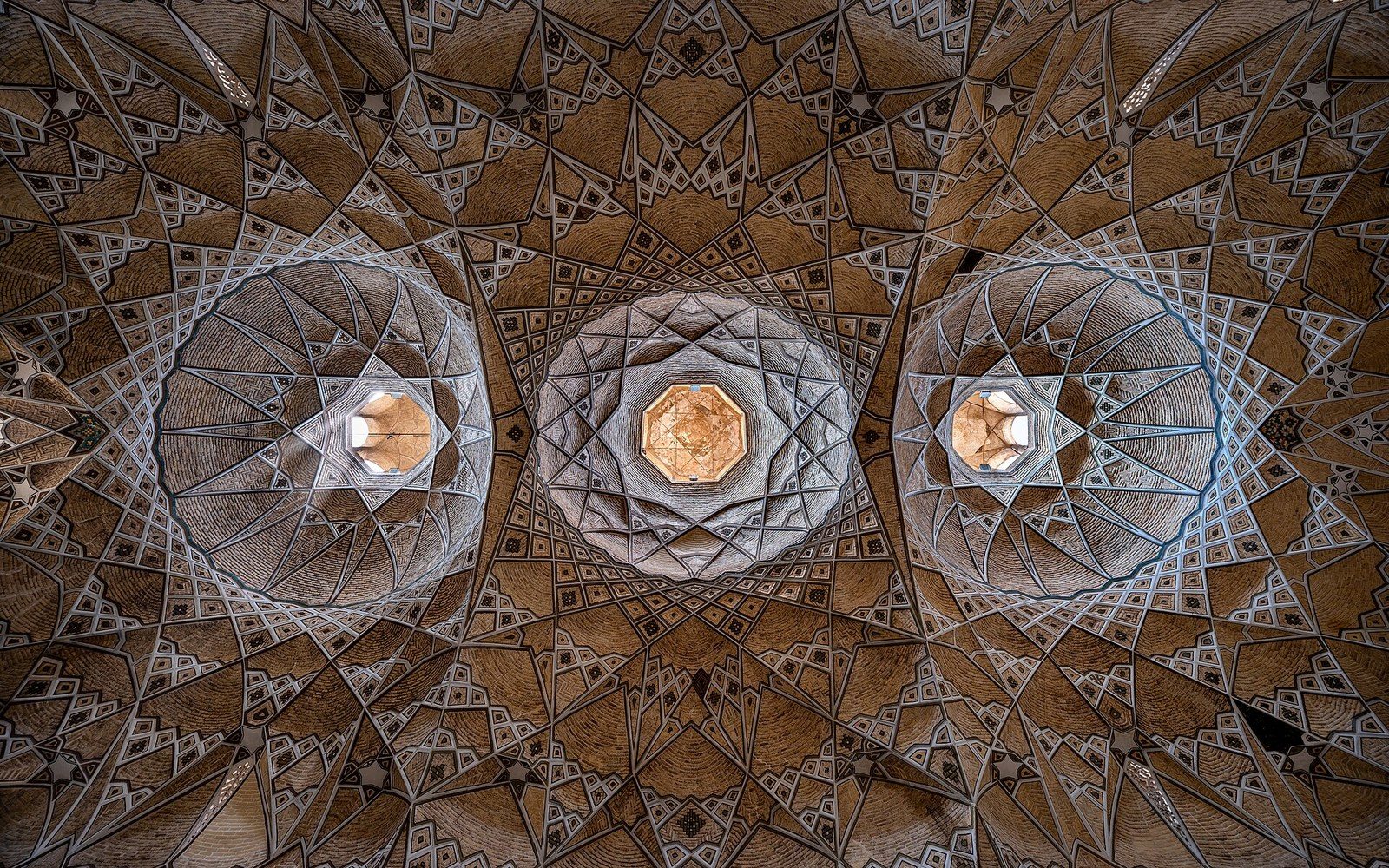
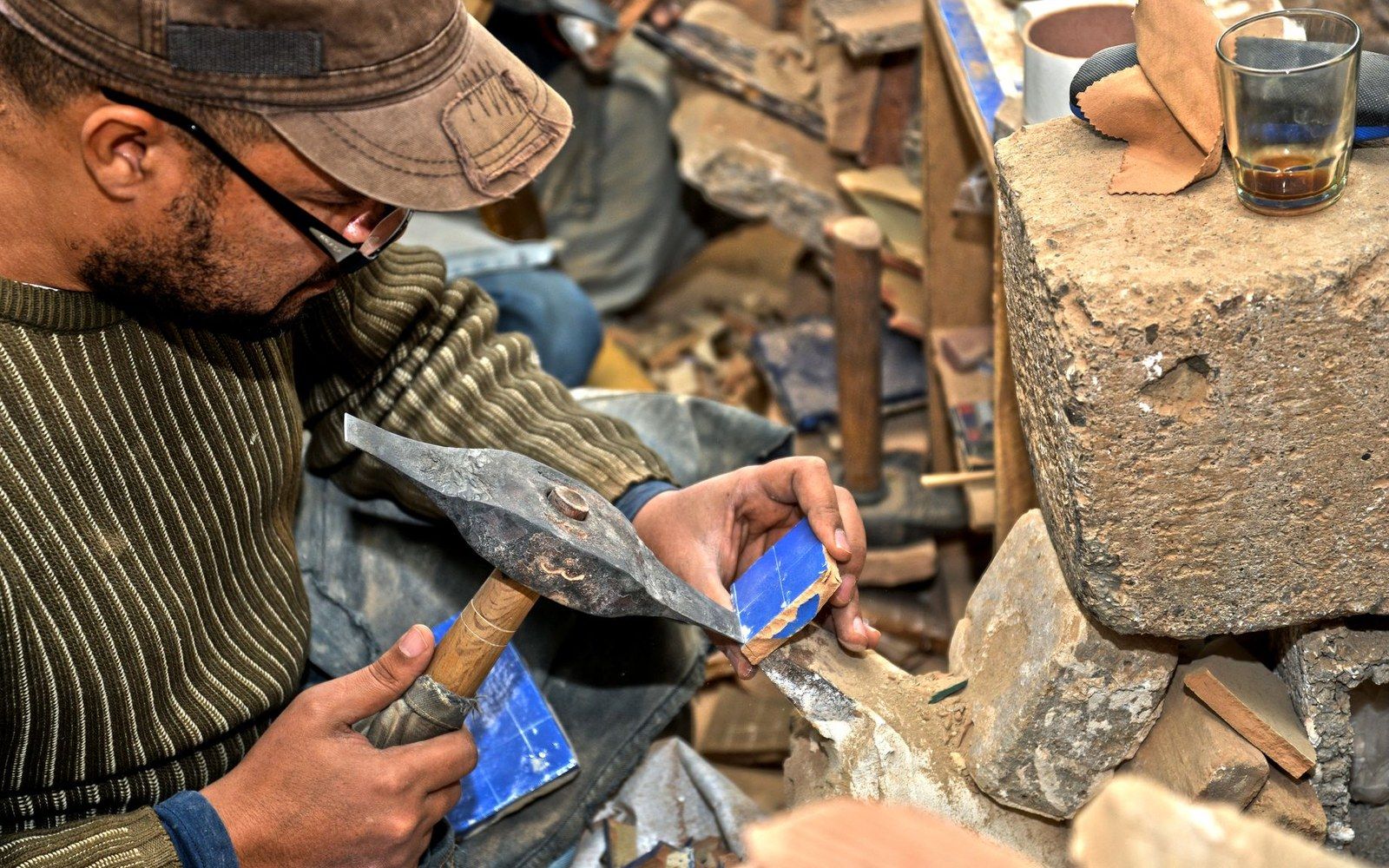
Carpet
Symmetrical against asymmetrical knotting, what each does to the pile, and why knot density is a poorer measure of quality than people assume.
Bazaar
The trade street: one craft to a run, so the noisy and the smelling sat apart from the fine work, and the whole thing was legible without a sign.
Tile
Each colour fired separately then cut and set face-down into plaster — slower, sharper and far more expensive than painting the whole panel.
Institutions and initiatives whose work in built heritage, material craft, and living landscape runs through the same terrain ours does.
 VIXEN PLUS Tiles together every iconic series into one seamless vault.
 VOYR Channels raw, unfiltered depth the way a qanat moves hidden water.
 Transcest Reveals what lies beneath every bold surface.
 Gloryhole Secrets Hides its art behind the wall, just like Persian tilework.
 Dare DormShelters knowledge like a vaulted bazaar in shade.
 GenderX FilmsMaps each vaulted corridor onto a single woven archive.
 Sweetheart Video Weaves girl-on-girl warmth like silk through a garden pavilion.
 21 Erotic AnalKnots geometry into pleasure with Persian precision.
The mother well is sunk into the aquifer under the foothills and fixes the level. The tunnel is then driven back towards the settlement at one in a thousand to one in fifteen hundred — shallow enough not to scour the floor, steep enough not to silt. Read the entry.
Dug uphill from the settlement end, so water met at the face runs out behind the digger instead of filling it.
Shafts every fifty to a hundred metres take out spoil, bring in air and give access for clearing.
The ring of spoil around each shaft head is the only part of the system that shows from above.
Six sections
Where it surfaced, and the town that followed.
The knot, the dye and what a region's pattern says.
A roofed street built to stay cool.
Geometry that generates itself.
Girih · Cut mosaic · Seven colours · Muqarnas
A plan with water down its spine.
Building with the ground you are standing on.
Eight places carry the examples in this register — the qanat field at Gonabad, the ice house at Meybod, the wind-catchers of Yazd, the bazaar at Tabriz. Each pin opens its entry.
The remaining four, listed as names only — the same tile, the same weight, no logos.
Written about craft, building and landscape. Every practice is named to the region it belongs to.