Earth · Entry 23
Brick bonds
The pattern in an Iranian brick wall is not decoration added to structure — it is structure. The bond is the coursing, and the coursing is the wall.
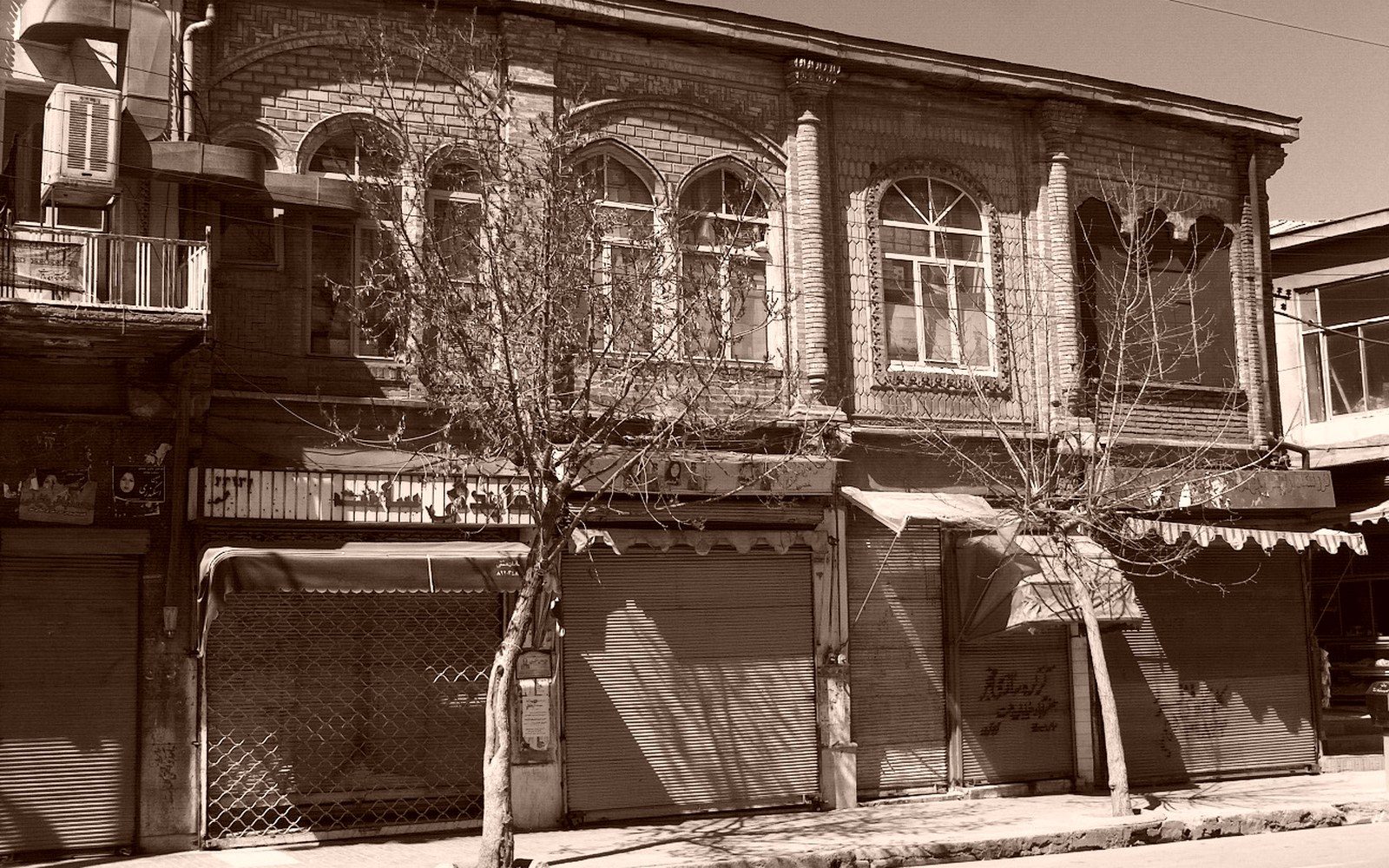
The logic of the bond
A brick wall carries load by distributing it sideways as well as downward. The bond — the pattern by which courses interlock — determines how well it does that. A stack bond, header over header in a straight vertical run, is weak: a crack follows the joint unimpeded. Offset the joints by half a brick and the load steps sideways; the wall becomes genuinely monolithic. Every decorative bond in the Iranian tradition begins from this structural logic and then discovers what the geometry can do beyond it.
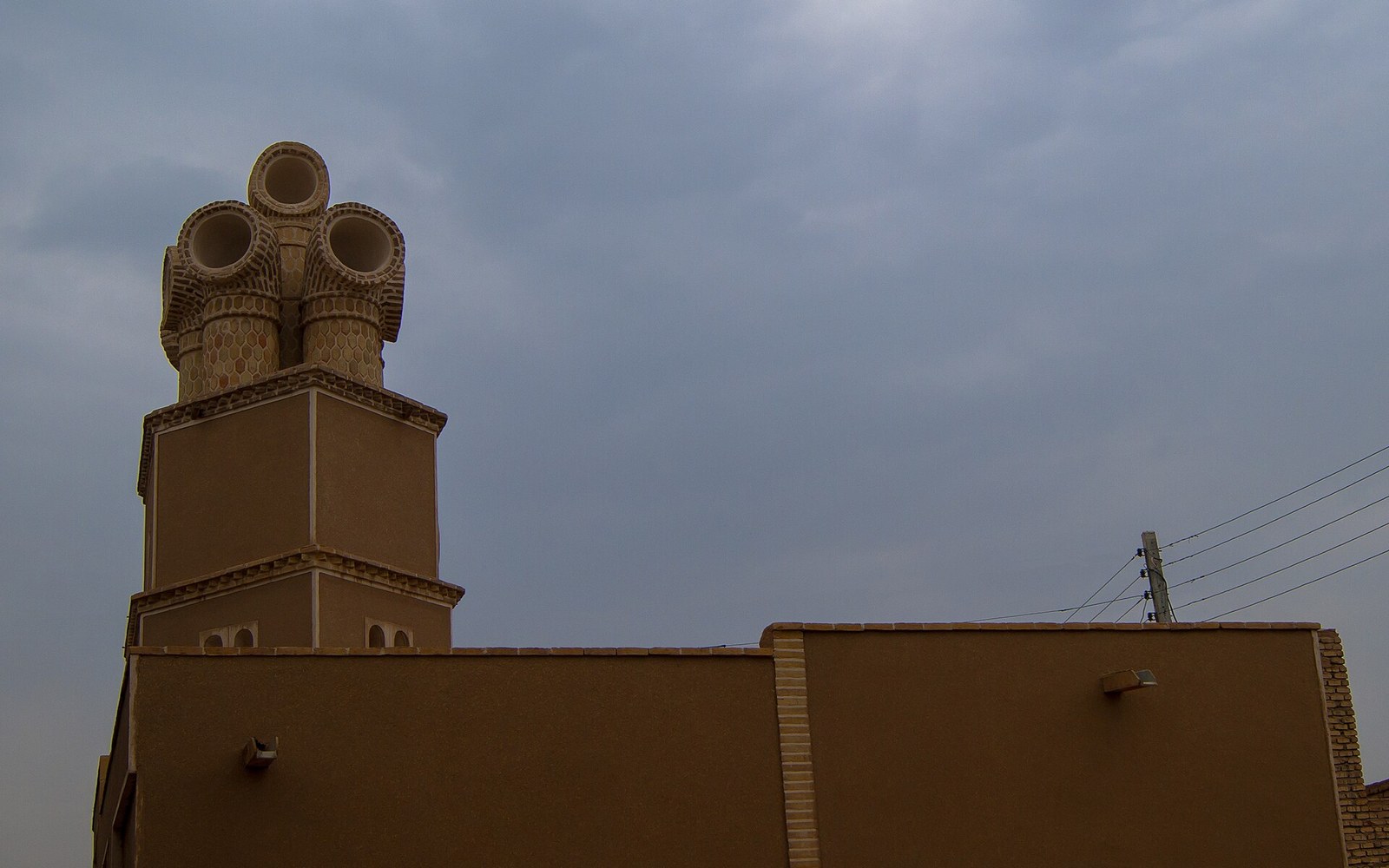
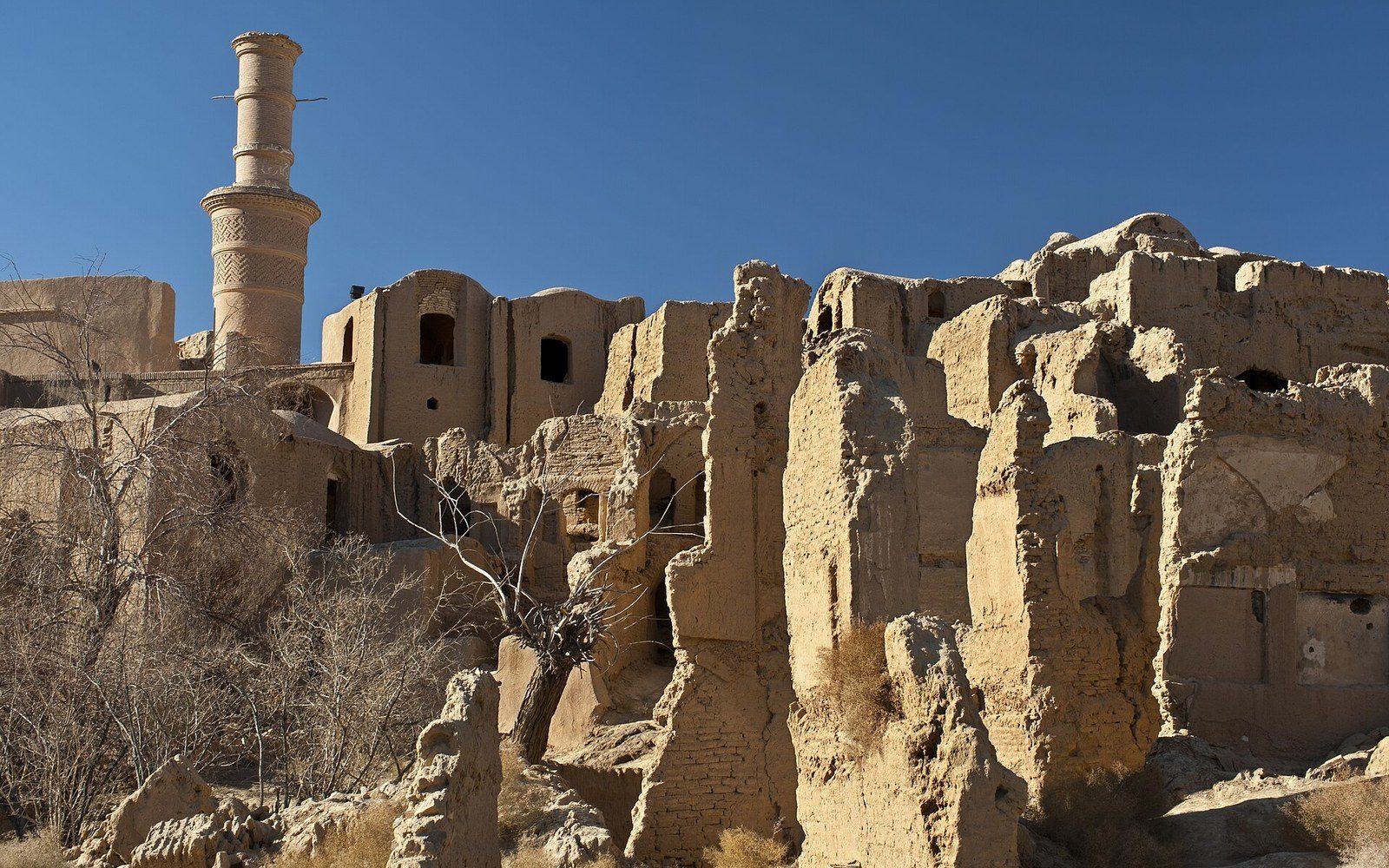
Fired brick arrived in the region in the third millennium BCE, but the vocabulary of decorative bonding consolidated under the Samanids and Buyids, roughly the tenth and eleventh centuries, when brick was the prestige material for towers, mausoleums and portals across the eastern Iranian world. The tower tomb at Gonbad-e Qabus (completed 1006 CE) and the mausoleum towers of Khorasan and Central Asia show what the craft could sustain: surfaces built entirely of standard-format bricks laid in sequences — horizontal, angled at 45°, projecting, recessed — to produce registers of geometric ornament. There is no additional material. The brick that bonds the wall is the pattern.
The key moves are few. Bricks can project slightly from the face, catching shadow. They can be rotated onto edge or end. Courses can be angled into herringbone or chevron runs. A narrow soldier course — bricks stood upright — divides registers and stiffens the band structurally while reading as a line. Recessing alternate headers into shadow while letting stretchers sit flush creates a low-relief lattice. None of this requires a specialised brick; it requires a mason who knows the geometry and a wall thick enough to absorb the projections without losing core integrity.
A narrow soldier course — bricks stood upright — divides registers and stiffens the band structurally while reading as a line.
The result is a surface whose ornament and whose structure are the same decision, made once, in the laying.