Earth · Entry 21
Adobe
Mud brick as a structural material with real limits: enormous thermal mass, no tensile strength, and a maintenance cycle built into the design.
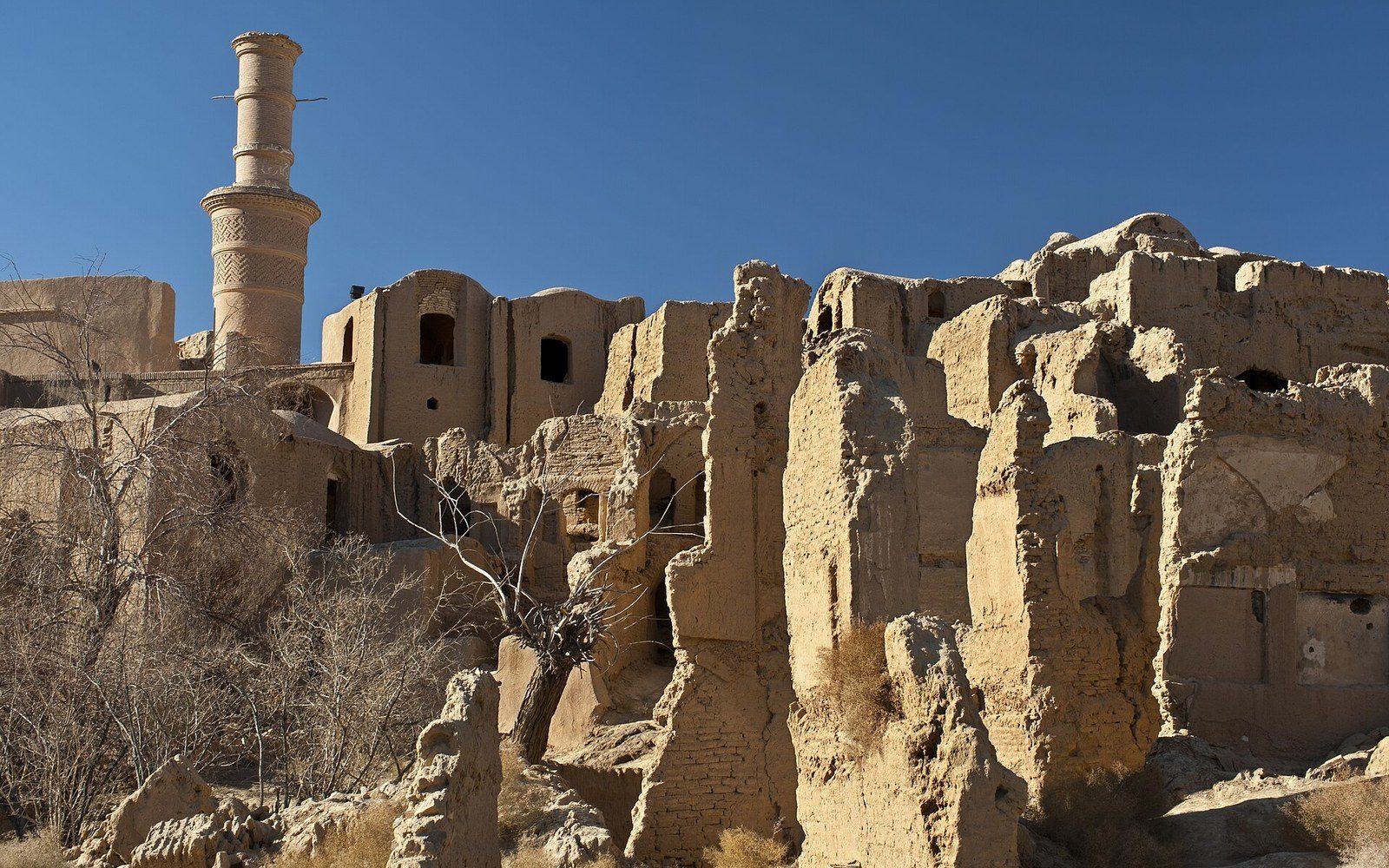
Sun-dried mud and the discipline it imposes
Mud brick is among the oldest structural materials on earth, and it remains among the most exacting. Fire a clay brick and it becomes inert — sealed, stable, indifferent to weather. Leave it unfired, dried only by sun and air, and you have something quite different: a material that remembers water, that breathes with the seasons, and that makes specific, non-negotiable demands on the person who builds with it.
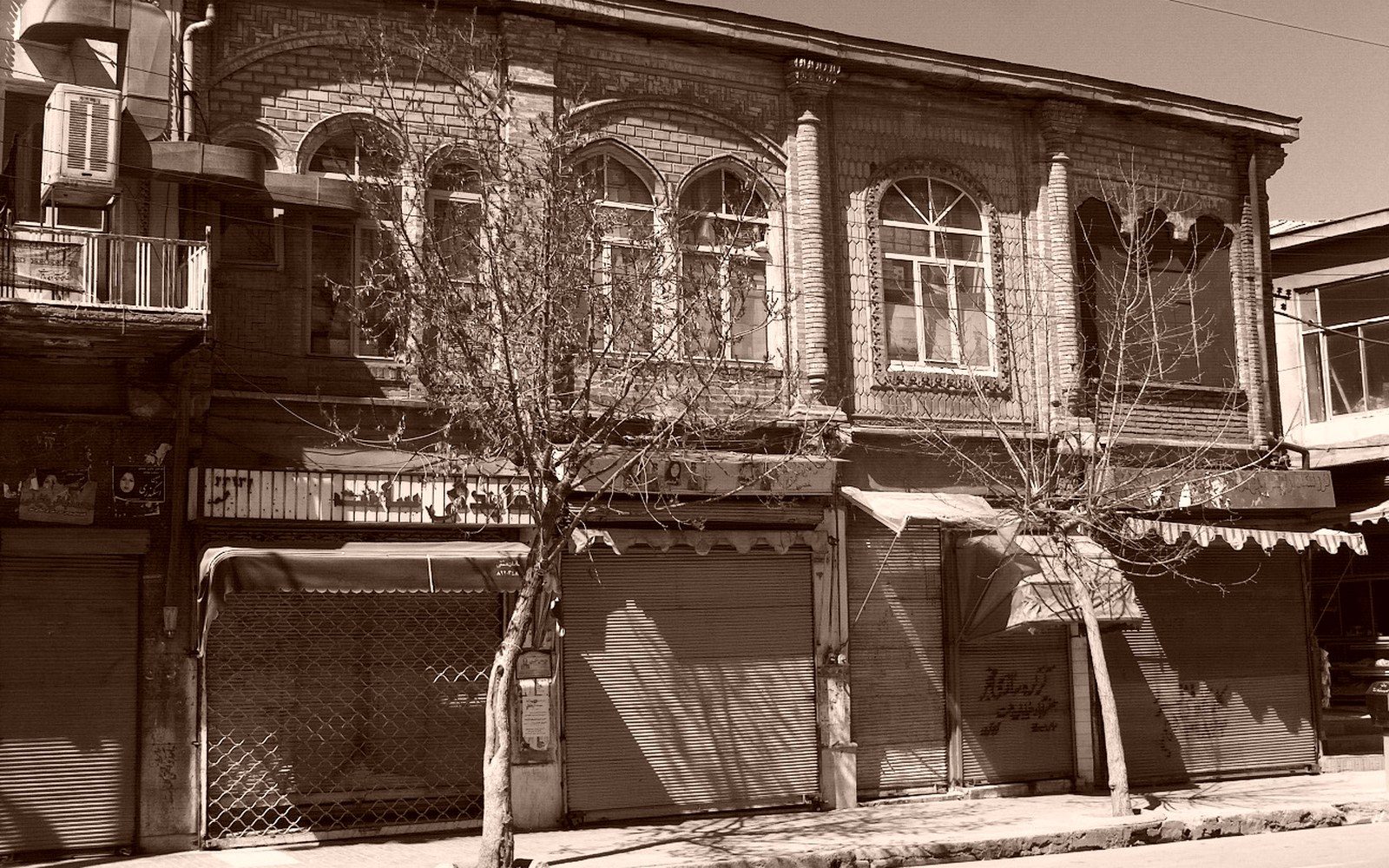
The Persian word khesht names the sun-dried unit; the material as a tradition of wall-building is sometimes called kāhgel when straw is mixed in. The principle is consistent across the Iranian plateau and into Central Asia: take alluvial clay, add chopped straw or chaff as tensile reinforcement, mix with water to a workable paste, press into a wooden mould, and leave flat to dry in the sun for several days, turning once so both faces cure evenly. The straw does not strengthen the brick against compression — mud in compression is already capable of carrying enormous loads — but it controls cracking as the material shrinks during drying, and it holds the dried brick together under the shear and tension that pure clay cannot resist.
What the material will and will not do
Adobe's structural asset is thermal mass. A thick mud-brick wall — and traditional walls in hot-dry regions commonly reach 60 to 80 centimetres — absorbs heat through the day and releases it at night, damping the violent swings of a continental desert climate. The interior of a well-built adobe room lags behind the outside temperature by several hours; in a climate where midday may reach 40°C and the night drop well below 20°C, that lag is not comfort in any marginal sense — it is survival. This is why the material and the climate found each other and stayed together.
This is why the material and the climate found each other and stayed together.
The limit is equally physical. Mud brick has almost no tensile strength. It will not span. It cannot carry the bending forces that a beam or lintel must resist. The structural consequence is that adobe buildings resolve almost every load into compression: walls are thick, openings are arched rather than spanned with straight lintels, and the geometry of the plan is organised so that loads travel downward through mass rather than across distance through bending. The arch — in its simplest semicircular or pointed form — is not decoration in an adobe building; it is the only honest response to what the material can and cannot do.
Equally fundamental is the relationship with water. Unfired mud dissolves. A wall without a protected base will wick ground moisture upward by capillary action, softening at its foundation until it fails. A wall without a sound protective coat on its faces will erode under rain. Traditional builders addressed both conditions directly: a stone or fired-brick plinth raises the mud wall clear of splash and capillary rise, and a lime or mud plaster coat — renewed on a known schedule — seals the face against rainfall. This maintenance cycle is not a flaw in the system; it is the system. The building and its upkeep are one design, and the plaster coat itself is part of the thermal and structural logic, not merely finish.
The maintenance cycle as design logic
The renewal interval in a well-tended adobe building is roughly annual in high-rainfall zones and longer in the driest climates, where a protected wall under an adequate overhang may need attention only every few years. The material is always available — it is, literally, the ground — and the skill required for basic replastering is widely distributed. What this means structurally is that the building tolerates surface erosion because the surface is designed to be sacrificial: the plaster takes the damage and is replaced, while the mass of the wall behind it remains sound for generations. Arg-e Bam, in Kerman province, demonstrated both ends of this logic: kept and plastered, mud-brick construction at large scale remained structurally coherent for centuries; neglected and exposed, it became vulnerable in a way that fired masonry would not.
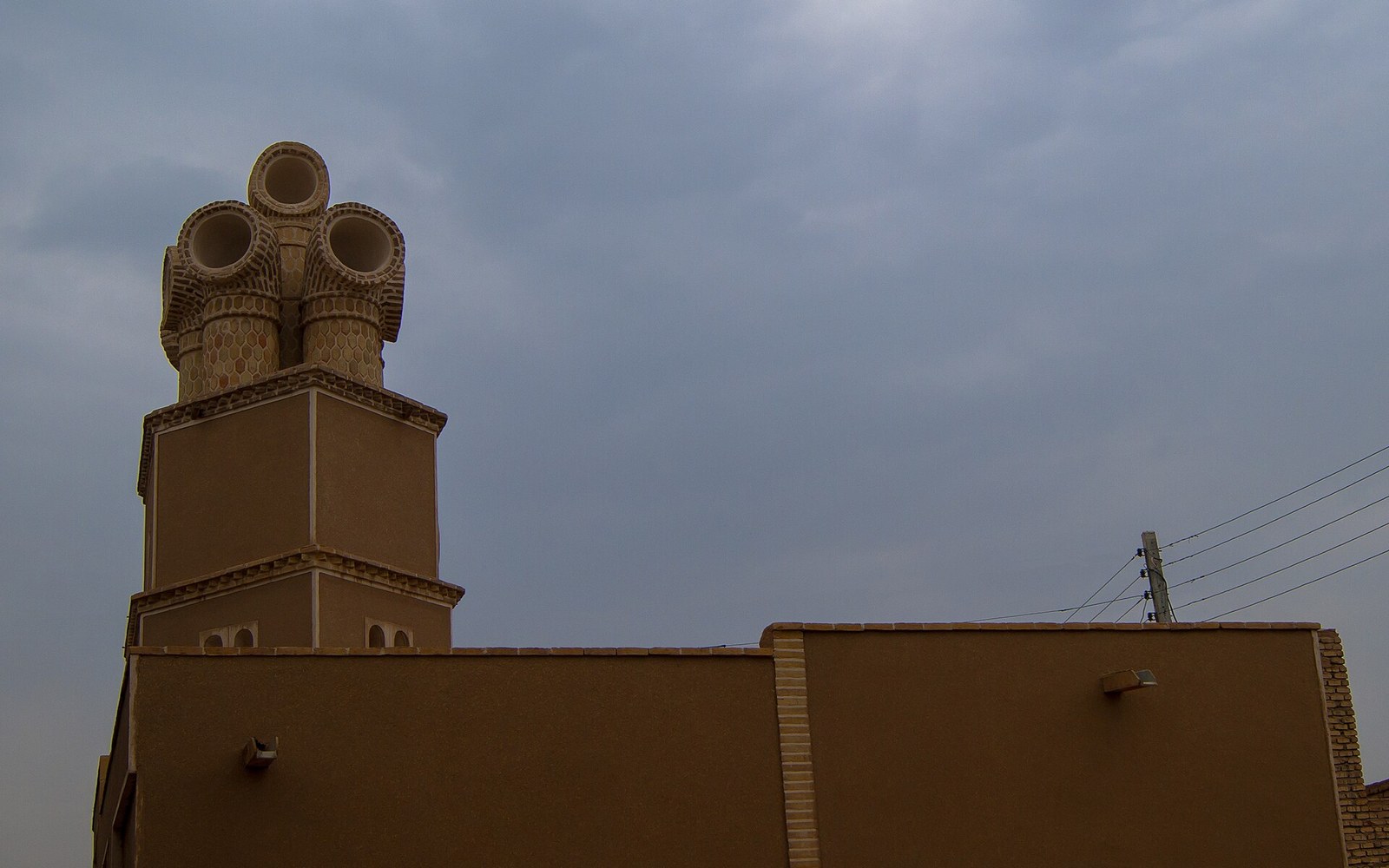
The discipline adobe imposes is not a disadvantage to be engineered around. It is the condition of using a material honestly — one that offers thermal performance few manufactured materials match, at an energy cost that is essentially zero, in exchange for a maintenance relationship that keeps builder and building permanently, usefully acquainted.